
How to get the whooping cough vaccine in pregnancy and signs and symptoms of infection after young baby dies

Whooping cough can have severe or deadly complications for young babies 🚨
- A young baby has died from whooping cough.
- The UKHSA is urging pregnant women to get vaccinated.
- Whooping cough can have severe complications for young babies.
A young baby has died from whooping cough as vaccination rates for pre-school booster jabs continue to fall in the UK.
Young babies are at the highest risk of severe complications and death from whooping cough, with this being the first recorded death of 2025.
In 2024, 11 babies tragically died following a large whooping cough outbreak from 2023 to 2024, in which monthly cases peaked at over 3,000 in May 2024.
Latest data from the UK Health and Security Agency (UKHSA) has revealed that almost one in five children has not received their pre-school booster jab, which helps protect against whooping cough, polio, tetanus, and diphtheria.
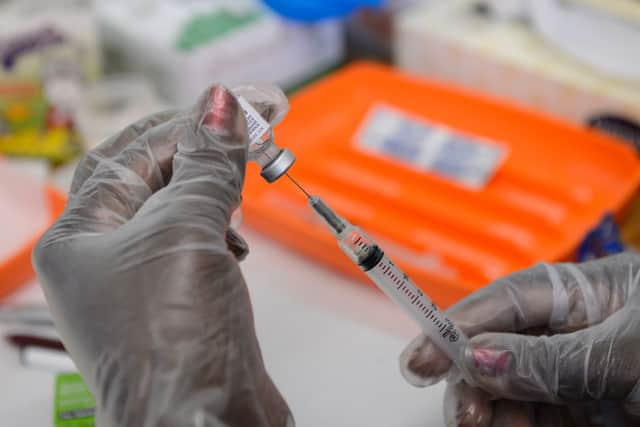

What is whooping cough?
Whooping cough, also known as pertussis, is a highly contagious bacterial infection that is known for having a distinctive “whoop” cough sound.
What are the symptoms of whooping cough?
The first symptoms of whooping cough are similar to a cold and include a runny nose and sore throat. After a week, you can develop a cough that lasts for a few minutes and is typically worse at night.
Young babies or children may also have a cough that makes a distinctive “whoop” noise or have difficulty breathing.
Whooping cough is highly contagious; if anyone in your family has been diagnosed, they must stay at home and avoid work, school, or nursery until 48 hours after starting antibiotics or two weeks after symptoms start if they did not have antibiotic treatment.
How to get the whooping cough vaccine?
The whooping cough vaccine is given to babies as part of the routine childhood vaccination schedule in the UK.
Pregnant women should also get vaccinated, typically when they are between 20 to 32 weeks. According to evidence, vaccination at the right time in pregnancy can give 91% protection against infant death.
For babies, they are given three doses of the vaccine at eight, 12, and 16 weeks. A pre-school booster is then offered at three years and four months.
In June, the UKHSA urged pregnant women to come forward to get a whooping cough vaccine. Dr Sharif Ismail, Consultant Epidemiologist at UKHSA, said: “Pregnant women are offered a whooping cough vaccine in every pregnancy, ideally between 20 and 32 weeks. This passes protection to their baby in the womb so that they are protected from birth.
“While we’re making excellent progress, we want to ensure every expectant mother is offered the vaccine at the optimal time and understands that this vaccine is the best way to protect their baby during those crucial first weeks after birth. If you are pregnant and approaching 20 weeks, and haven’t been offered the whooping cough vaccine, please speak to your GP or midwife today to find out how you can get your vaccine.”
You can find out more about whooping cough signs and symptoms and how to get vaccinated at NHS.UK.