
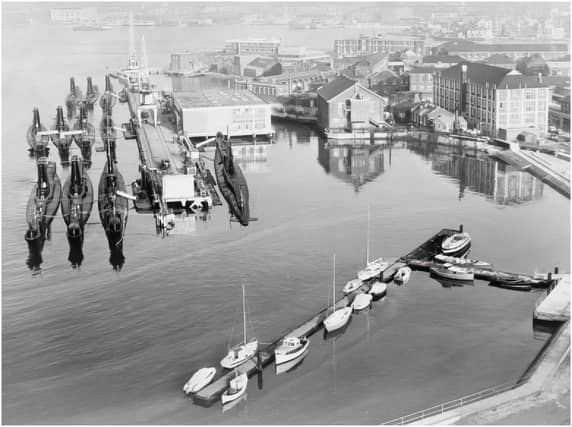

From old forts, to tunnels, statues and even time capsules, the area is littered with intriguing things from the past.
Here’s a selection of things you may not have known existed or happened in and around the Portsmouth area.
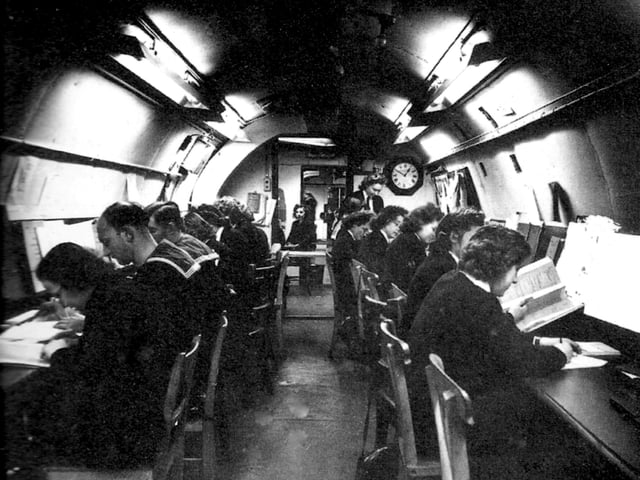
5. Sailors and wrens working deep down under Fort Southwick on the lead up to D-Day.
Sailors and wrens working deep down under Fort Southwick on the lead up to D. Day. A huge underground bunker, known as UGHQ, was built in 1942 underneath the Victorian-built Fort Southwick. It housed the operations centre which coordinated the D-Day Landings on the beaches of Normandy and supporting airborne operations on June 6 1944, which turned the tide of the war against the Nazis.The labyrinth of tunnels was the home of 700 men and women of the Royal Navy, Army, RAF and Allied nations who worked on Operation Neptune - the naval phase of the D-Day operation. It also has a direct link to the nearby Southwick Park where Supreme Commander General Eisenhower was based in the weeks leading up to D-Day itself.The dedicated personal in the operations room processed the key information which gave Eisenhower the latest situational information on the Normandy Beaches and English Channel which was key in the planning of the operations. The wall map at Southwick House – on which the work of the staff at UGHQ was based – can still be viewed by the public today by appointment only. Photo: -
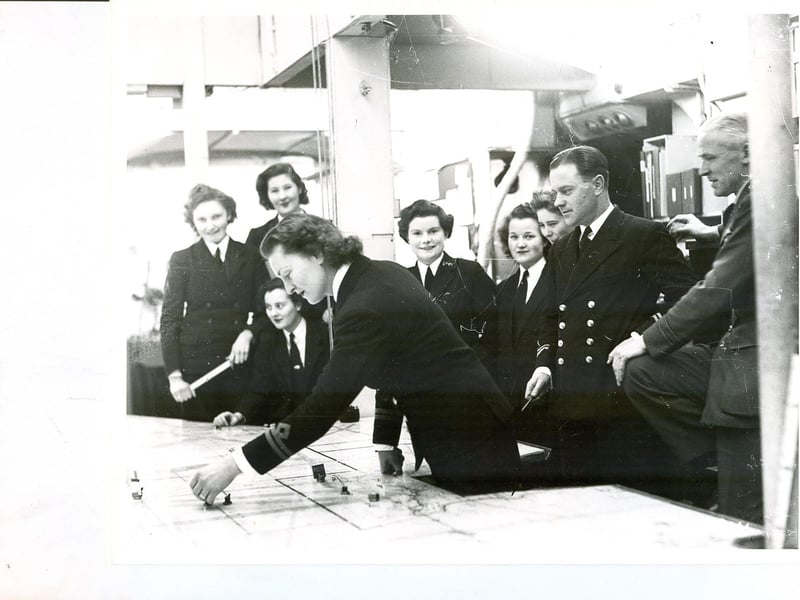
6. Tunnels beneath Fort Southwick
A few months after D-Day The News wartime photographer Victor Stewart was allowed into the top secret maze of tunnels beneath Fort Southwick from where D-Day operations were controlled. Plotting room PP262. Photo: a
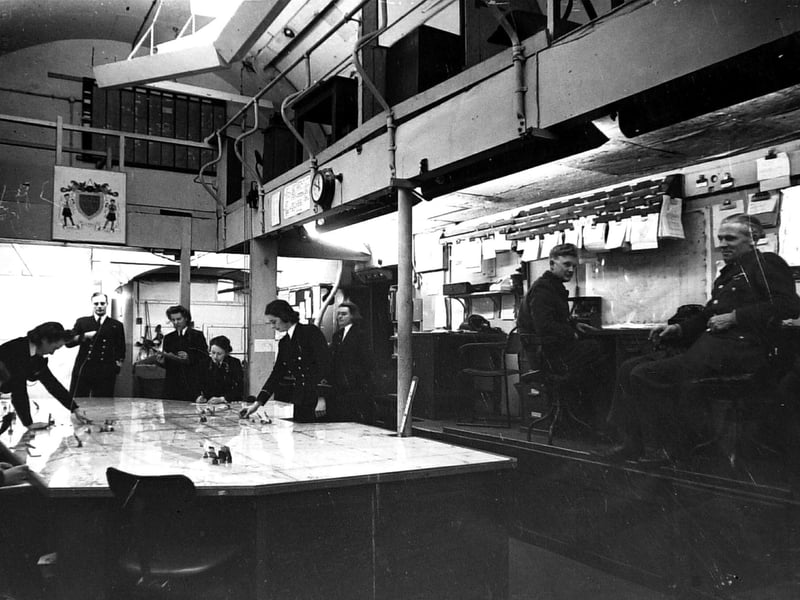
7. The plotting room at Fort Southwick
The plotting room deep in the heart of Fort Southwick during the Second World War. Photo: The News archive
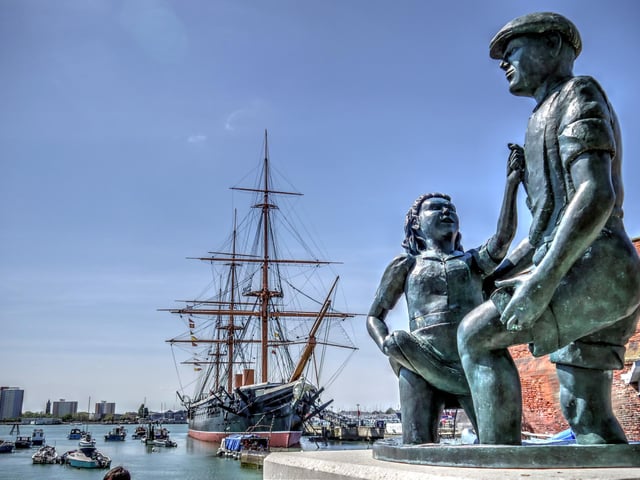
8. The mudlarkers statue
The mudlarkers statue on The Hard. Picture: Gerry WoodhouseIn the hussle and bussle of entering the Historic Dockyard it's easy to miss this bronze statue which commemorates the generations of Portsea children who enjoyed 'mudlarking' - entertaining travellers by retrieving coins they threw into the mud below the bridge to Portsmouth Harbour Station and Gosport Ferry.Boys and girls would scramble to find money tossed down, sometimes diving into the mud, performing handstands or dipping their heads in it.Many Portsea families lived in poverty, so the small change was welcomed.The building of the new bus terminal in 1976-77 put an end to all that mucky fun!In the background the pride of Queen Victoria's navy, HMS Warrior 1860. Picture: Gerry Woodhouse of [email protected] Photo: Gerry Woodhouse