
'More hostile environment': RAF head 'not sure' if F-35 jets can operate in Arctic amid HMS Prince of Wales op

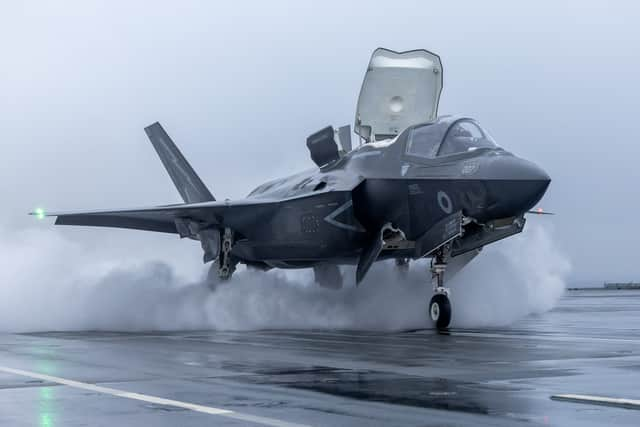
Ferocious fighter jets may find it difficult to operate in Arctic conditions compared to warmer climates, the head of the RAF has suggested.
Air Chief Marshal Sir Harv Smyth said he was concerned about how the F-35B aircraft will perform in the High North’s -30C conditions. These jets will be part of a UK Carrier Strike Group deployment to the region, with the Royal Navy flagship HMS Prince of Wales at the heart of it.
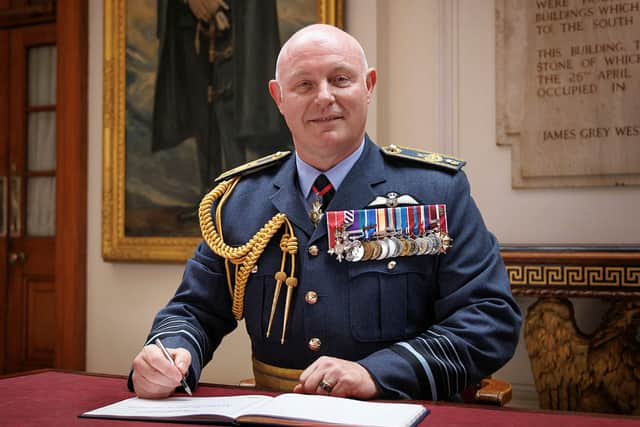

As reported in the Daily Telegraph, Sir Harv said during a speech at the Royal Aeronautical Society in London: “It’s a much more hostile environment. We have become an air force that’s incredibly good at operating in the Middle East.
“I know I can send any squadron out the door and they can work in plus 35 degrees and make airplanes work and fly really good missions. I’m not 100 per cent sure we could do that in minus 30 degrees.”
Why are the armed forces focusing on the High North?
Plans to utilise the military in colder climates were revealed in the Strategic Defence review (SDR). Published in June last year, it highlighted the importance of protecting the North Atlantic against the growing threat of Russia.
A programme has been in place to move the Royal Navy fleet to a hybrid concept called Atlantic Bastion, where conventional warships sail alongside autonomous systems. Advanced new submarine-hunting frigates being built, the City-class Type 26s, will be deployed alongside un-crewed drones, vessels, and submersibles. First Sea Lord General Sir Gwyn Jenkins previously said Moscow’s submarine fleet is growing, and action was needed to keep up with its capabilities.
With Operation Firecrest involving sorties and exercises in freezing conditions, the RAF will be tested in a different way compared to recent operations. The Daily Telegraph reports that the force’s leaders are concerned about the availability of warm clothing for personnel and lubricants to keep jets flying and generators running. Sir Harv said he hoped to “pivot back” to an era where engineers were used to working in extremely cold temperatures.
Prime minister Sir Keir Starmer announced Operation Firecrest last weekend. Speaking at the Munich Security Conference, he warned that Britain “must be ready to fight” and do whatever “it takes to protect our people, our values and our way of life”.
He added: “As Europe, we must stand on our own two feet. That means being bolder, it means putting away petty politics and short-term concerns. It means acting together to build a stronger Europe and a more European Nato.”