
Iran: Royal Navy warships not expected to police Strait of Hormuz as Trump tells Europe to 'just grab it'

British warships are not expected to police the Strait of Hormuz and protect it from being blockaded.
Foreign secretary Yvette Cooper is set to host talks with a coalition of countries today (April 2) aimed at reopening the strategic waterway. Iran is continuing its stranglehold over the strategic waterway, where roughly 20 per cent of the world’s oil flows through.
Mines have been laid and an effective toll have been implemented for cargo ships. Britain is seeking to lead a diplomatic initiative, understood to include 35 countries such as France, Germany and some Gulf nations, to restore access to it, but prime minister Sir Keir Starmer admitted that it would not be easy. HMS Dragon is currently deployed in the eastern Mediterranean to protect Cyprus, but is unlikely to head further east.
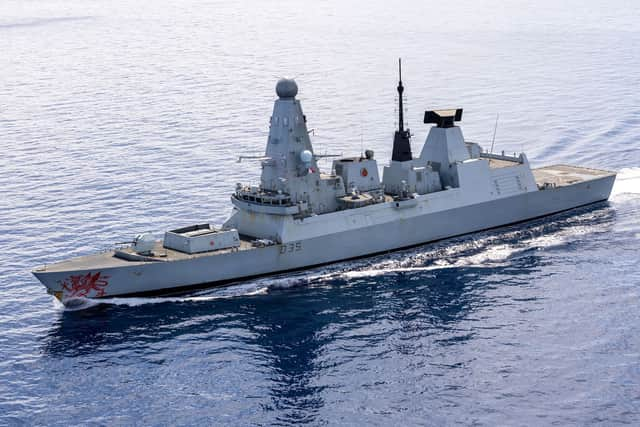

Following the UK-led meeting, military planners will consider how to make the strait “accessible and safe” after the fighting has stopped, although this is not expected to involve the deployment of Royal Navy warships to police the waterway. Sir Keir discussed the need for allies to cooperate on “a plan for full freedom of navigation to resume when circumstances allow” in a phone call with European Commission President Ursula von der Leyen, according to a No 10 readout.
US President Donald Trump made a swath of claims about the war with Iran during an address to the nation. Alongside thinly veiled jibes at allies that had refused to take part in his offensive against Tehran, he told countries that rely on the Strait of Hormuz to ”just grab it”. He didn’t mention Nato during his statement, despite threats to pull the US out of the alliance.

The war has strained transatlantic tensions over reluctance to being drawn into offensive military action, known by the US as Operation Epic Fury. Despite soaring fuel prices in the US causing a headache for motorists, as in other countries, Mr Trump insisted America did not need oil going through the maritime pinch point.
He said: “The countries of the world that do receive oil through the Hormuz strait must take care of that passage. They must cherish it. They must grab it and cherish it. They can do it easily. We will be helpful, but they should take the lead in protecting the oil that they so desperately depend on. So to those countries that can’t get fuel, many of which refused to get involved in the decapitation of Iran, we had to do it ourselves.”
He added: “I have a suggestion. Number one, buy oil from the United States of America. We have plenty. We have so much, and number two, build up some delayed courage. Should have done it before. Should have done it with us as we asked, go to the strait and just take it, protect it, use it for yourselves. Iran has been essentially decimated. The hard part is done, so it should be easy.
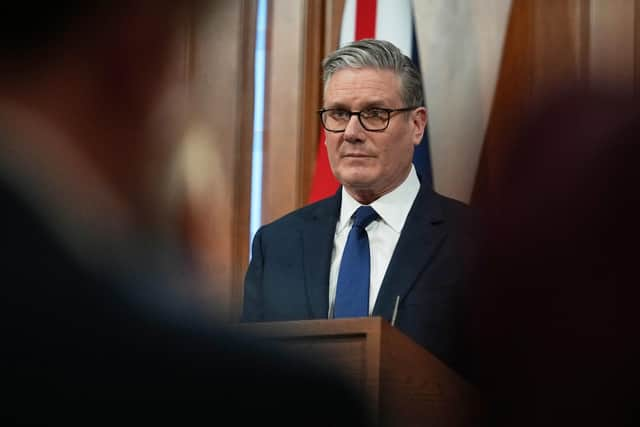
And in any event. When this conflict is over, the strait will open up naturally. It’ll just open up naturally. They’re going to want to be able to sell oil, because that’s all they have to try and rebuild. It will resume the flowing and the gas prices will rapidly come back down.”
Mr Trump said if a deal was not reached, the US would strike Iran’s energy plants and oil facilities. He said this would not turn into a modern version of the Vietnam war, and Iran’s new regime were different after Ayatollah Ali Khamenei was killed in an airstrike - despite geopolitical experts disagreeing with the notion.
Conservative leader Kemi Badenoch called for Labour to produce a “clear plan” and for no troops to be sent “if they’re not ready”. She previously called on the UK to join the conflict when it started on February 28, a position which she has backtracked from since.
She told BBC Breakfast: “We haven’t seen a defence investment plan from the Government. We still haven’t seen how much they’re spending on defence next year. So if we’re going to be sending troops and ships to the Strait of Hormuz, I want to make sure that those people are very well prepared for what they’re going to be dealing with.”