
'Substantial' HMNB Portsmouth upgrades to fix 'deteriorating' infrastructure and boost future Royal Navy fleet

Billions of pounds will be invested into various parts of Portsmouth Naval Base
Essential upgrades to Portsmouth Naval Base will fix “long-standing” problems and ensure the Royal Navy can operate the fleet of tomorrow.
Minister for defence readiness and industry, Luke Pollard, hailed the plans to enhance HMNB Portsmouth and the country’s other two main bases. Under Project Royal Oak, £3.9bn has been allocated to improve the site.
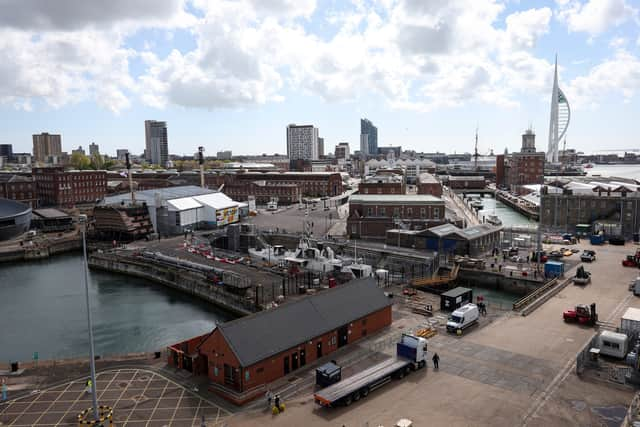

Mr Pollard, Labour, said the financial boost is “substantial”, given that “the physical infrastructure of those bases had been deteriorating for quite some time”. He added that many of Portsmouth’s jetties and berths need upgrades, with some coming to the end of their serviceable life.
“We want to ensure their continual operation,” he told The News. “It has been known about for quite some time. We didn’t inherit a funded programme that matched the scale of our ambition.
“In Portsmouth, we know there’s been an underinvestment in a number of facilities required by the naval base, but also in supporting the important role the base has in stopping large parts of the city flooding. Accommodation has been substandard for quite some time, and the funding helps us go after long-standing problems. The priority is to improve our war-fighting readiness and improve the availability of our platforms.
“The underinvestment in some of the physical infrastructure has contributed to our current availability levels. We need to invest in the kit and equipment, the people - especially with skills shortages - and the physical infrastructure those services rely on.”
What are the upgrades coming to HMNB Portsmouth?
Announced in the recently published Defence Investment Plan (Dip), £26bn across the three bases. Alongside the £3.9bn for Portsmouth, £7.1bn has been allocated for HMNB Devonport in Plymouth, and HMNB Faslane in Scotland.
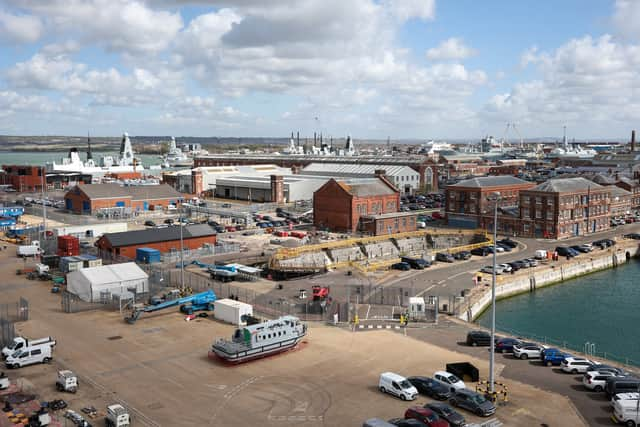
Part of this is Project Bentham, where more jetties and berths will be built in the city. The Dip announced that a new oil jetty will be constructed, new munitions infrastructure works will take place in Gosport, and the Fountain Lake Jetty will go through a rebuilding project.
Support systems will also be improved and brought up to Nato standards. HMS Nelson will be regenerated alongside accommodation and welfare infrastructure for Royal Navy personnel. An innovation business park will be set up to oversee the development of the hybrid navy, where conventional warships are supplemented by autonomous and un-crewed vessels.
A new skills development centre will be constructed and is planned to open by the end of 2028. This will create modern apprentice and adult learning facilities, overseen by BAE Systems. The Ministry of Defence (MoD) said the Royal Navy Warfighting Centre is undergoing upgrade work to deliver three concurrent cohorts of 24/7 operations.
Where is the money coming from, and how will this support the hybrid navy?
Mr Pollard described the improvements as the largest series naval infrastructure upgrades since the end of The Cold War. Further announcements and extra details about the enhancements are due to be made later this year, which will include a breakdown for where the money is spent.
Project Bentham will soon outline some of the upgrades to particular buildings, Mr Pollard said, which “hold a special place to those who serve and those who have served”. The politician added that Portsmouth will play “a critical role” in supporting the crewed surface fleet - including aircraft carrier and destroyers - while “massively expanding” autonomous capabilities.
“To do that, we need more access to the water,” he said. “We need more facilities to get assets in and out of the water, and maintain them. When ships sail in the future, they’ll be selling by default with autonomous systems alongside them.

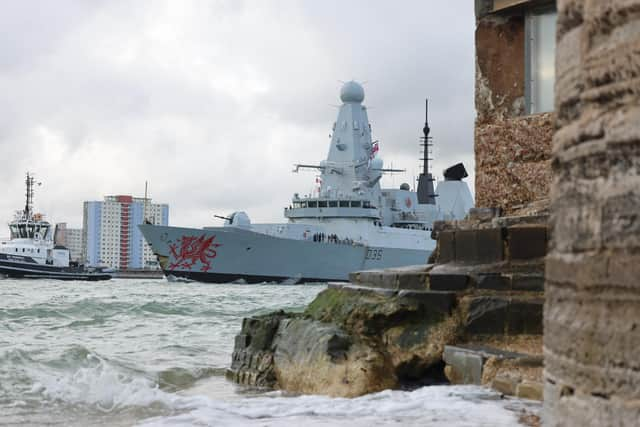
“As much of the surface fleet sails from Portsmouth, making sure the infrastructure that we have is able to support all those vessels at the same time is an important part of delivering that hybrid navy objective. We’re seeing good examples of autonomous equipment already being used in and around Portsmouth.”
One of the most recent major deployments from the city was HMS Dragon. Currently in the Middle East, the Type 45 destroyer left Portsmouth for the eastern Mediterranean in March amid an escalating war between Iran and the US-Israeli coalition.
Personnel had to prepare the warship by completing six weeks worth of work in six days. Despite these efforts, it took more than a fortnight for the ship to reach Cyprus - the only British naval presence in the area. This length of time was criticised by domestic and foreign politicians, and global commentators.
Mr Pollard said these base upgrades will make a real difference to ships being available. He added that infrastructure spending took a larger and more prominent place in the Dip, something which he believes is essential.
“A key part of making us war-fighting ready is making sure the hard infrastructure gets the resources it requires,” he added. ”If we don’t invest in the refit facilities in the berths, docks, and jetties, we’re not going to be able to deploy the Royal Navy in the way we want to or need to.
“That means we won’t have the capabilities as and when required. That’s one of the frustrations I have. For far too long, we saw money moved out of capital programmes and moved to the right. That might have supported the cuts to the military, but it doesn’t deliver the warfighting readiness we now require. That’s our key purpose in defence.
“If we don’t do that, we’re not able to deliver the fleet the nation requires. This is why the investment is so important.”