Royal Navy: F-35 stealth jets from HMS Queen Elizabeth fire laser-guided bombs at small island in historic first

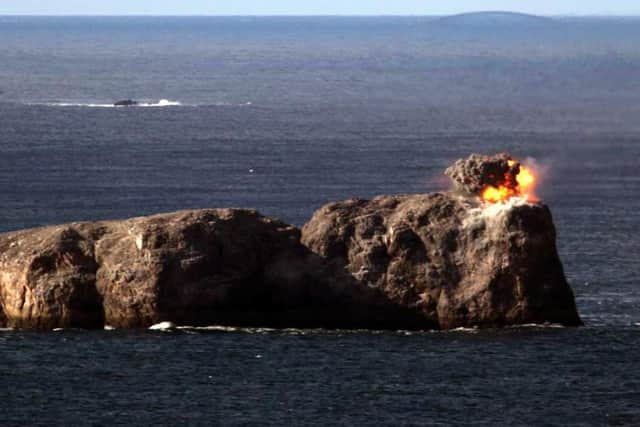
THIS is the moment a laser-guided bomb fired from an F-35B detonated as pilots blasted a small island on a live attack run.
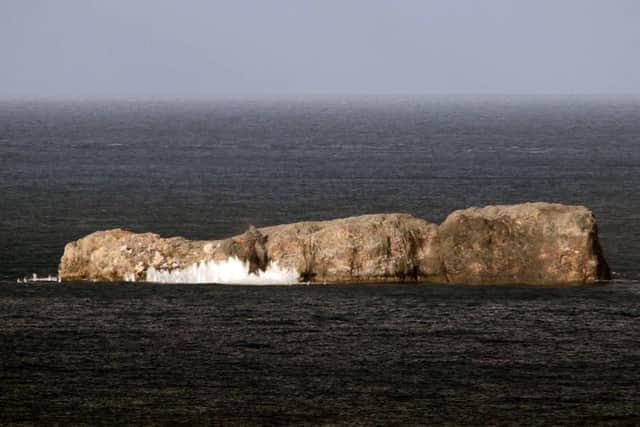
The explosive display of deadly power took place on Garvie Island, a small rocky outcrop off Cape Wrate at the north-west tip of Scotland, during an exercise with HMS Queen Elizabeth.
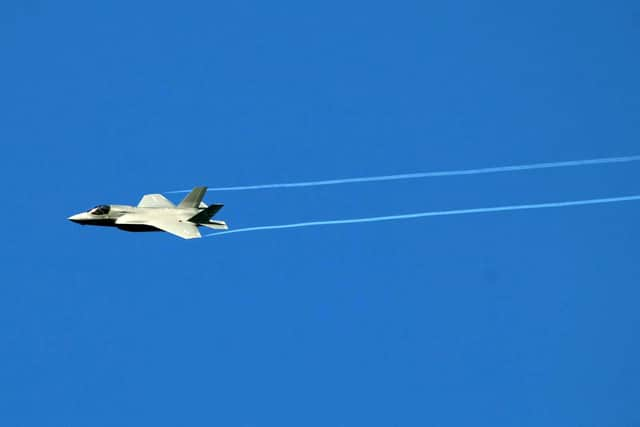
Two 500lb paveway bombs, dropped by US Marine Corps pilots operating from the Portsmouth-based aircraft carrier, smashed into the island, which has a similar dimension to a capital warship.
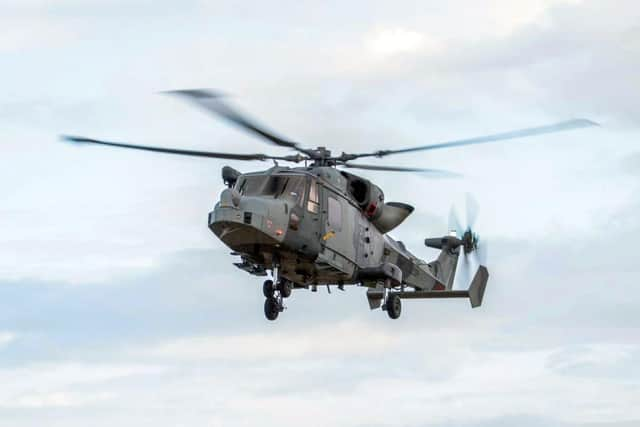
And directing the huge explosives for the first time were aviators from 847 Naval Air Squadron operating in a Wildcat helicopter.

Lieutenant Dom Savage acted as the airborne forward air controller, directing the stealth jets of Marine Fighter Attack Squadron 211 to the target.
Working hand-in-hand with the Wildcat crew was a specialist commando unit, 148 (Meiktila) Battery Royal Artillery, who ‘paint’ the target – pointing a laser beam at it for the bomb to aim at.
‘The opportunity to drop live ordnance from F-35Bs hasn’t happened before, so to be a part of the first live control is a privilege,’ said Lt Savage.
The bombing run was not the only piece of explosive training the fliers of 847 Squadron were involved in during the exercise in Scotland.
Four 847 Wildcat Pilots were qualified as ‘air observation posts’ working with 29 Commando Royal Artillery L118 Light Guns to bring 77 105mm high-explosive rounds crashing down on the Cape, assisted by the Wildcat’s enhanced targeting suite.
The training in Scotland – part of the latest Joint Warrior exercise hosted by the UK’s armed forces.
The drills saw HMS Queen Elizabeth leading a carrier strike group in the region as they carried out manoeuvres and naval gun fire exercises.
The team from 847 is the only helicopter squadron in the UK military’s inventory capable of acting as spotters for ground-based and naval gunfire and calling in air strikes.
They will accompany the £3.2bn aircraft carrier when she deploys early next year on her maiden operational mission, alongside F-35 jets from the RAF and US Marine Corps.
Looking for the latest Royal Navy updates from Portsmouth? Join our new Royal Navy news Facebook group to keep up to date.