
HMS Richmond and Iron Duke retired with HMS Chiddingfold due to 'cost' - leaves Royal Navy with 5 frigates
.jpg?width=96&crop=1:1,smart)
The trio of warships have served in the force for more than a century combined
Three aging Royal Navy ships have been officially retired from the force.
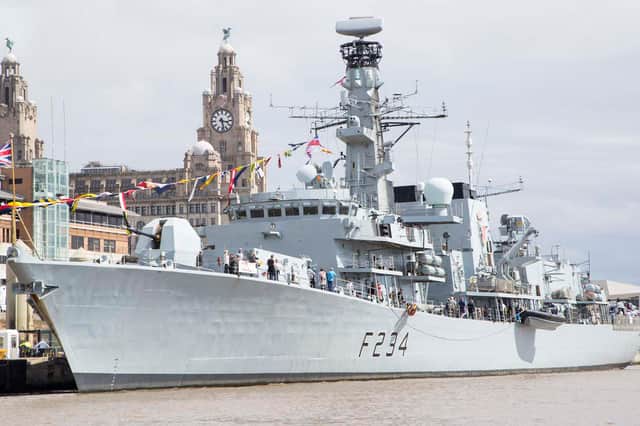
Type 23 frigates HMS Richmond and HMS Iron Duke, alongside the Hunt-class minehunter HMS Chiddingfold, will all be leaving the service. They served for a combined total of more than a century.
.png?crop=3:2,smart&trim=&width=640&quality=65)

The Royal Navy is continuing its push towards a hybrid navy, where conventional warships are supported by autonomous vessels and drones. Fleet Commander Vice Admiral Steve Moorhouse said: “HMS Richmond, HMS Iron Duke and HMS Chiddingfold have each played a key role in safeguarding the UK’s security and interests worldwide.
“As they are retired from service, their legacy continues through the next generation of warships and advanced autonomous systems. This marks a significant step in the Royal Navy’s evolution towards a Hybrid Navy, combining cutting-edge technology with proven capability to meet future maritime challenges. We honour their service and look forward to the advantage the future fleet will provide.”
The retirements leave the Royal Navy with just five active frigates - HMS Somerset, HMS Sutherland, HMS Portland, HMS At Albans, and HMS Kent. The latter is currently undergoing a refit and remains in “deep maintenance”, having not been to sea for more than 800 days.
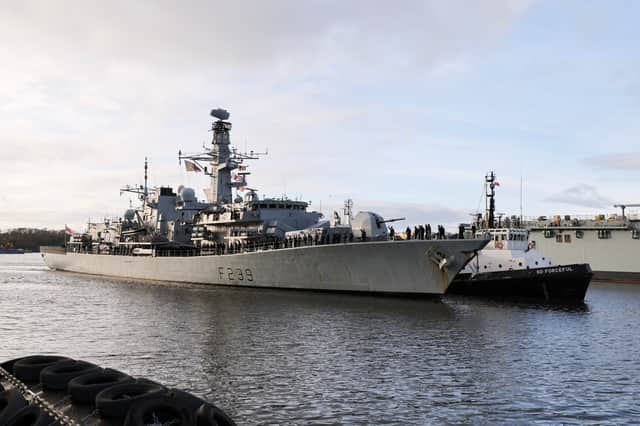
The Royal Navy said as the force continues to modernise its fleet, “older Type 23 frigates are being retired as the cost and risk of maintaining them continues to increase”. “Retiring them now allows reinvestment in the next generation of Type 26 and Type 31 frigates and advanced autonomous capabilities,” they added.
The first of the New Submarine-Hunting frigates, HMS Glasgow, is due to commissioned from 2028 at the earliest. Most of the new ships will be in service during the 2030s. The trio of retired ships spent hundreds of days on the side-lines before being officially decommissioned.
HMS Richmond recently played a vital role with the UK Carrier Strike Group alongside HMS Prince of Wales. She was deployed to the Indo-Pacific under Operation Highmast, conducting various military drills and diplomatic engagements in Australia, India, South Korea, and elsewhere.
A ceremony was conducted for the Duke-class frigate earlier this year, signalling her retirement. She had undergone a life-extension refit and received various upgrades, including the advanced Naval Strike Missile (NSM).
HMS Iron Duke has been one of the fleet’s most frequently tasked ships. She conducted repeated operations in the English Channel tracking Russian ships. Reports emerged in May that she was “quietly withdrawn” from the force.
HMS Chiddingfold spent much of her career in the Middle East. Under Operation Kipion, the Portsmouth-based vessel operated from Bahrain to clear explosives and ensure freedom of navigation in the region.
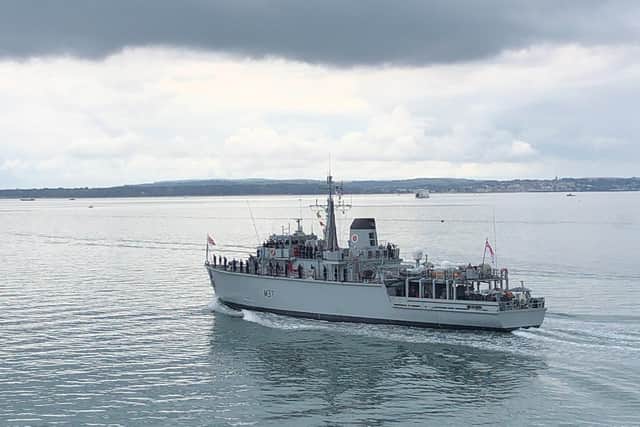
Commander Craig Clark was HMS Chiddingfold’s penultimate Commanding Officer, taking charge of the ship through the summer and autumn of 2024. He said: “HMS Chiddingfold’s story is one of service, adaptability, and people.
“For more than 40 years she represented the Royal Navy across the globe, from NATO exercises and home waters to enduring operations in the Middle East. Having had the privilege of commanding her and of joining the ship's company in celebrating her 40th birthday in Bahrain, I know that her true legacy lies with the generations of sailors who served in her. Their professionalism, dedication and camaraderie made Chiddingfold far more than a ship – they made her a family.
“Whilst she now formally leaves service, the mission she performed remains as important as ever. Freedom of navigation and access to the world's sea lanes continue to depend upon the specialist skills of mine warfare professionals. As the Royal Navy transitions to the next generation of mine-hunting capability, HMS Chiddingfold can rightly be regarded as part of the foundation upon which that future has been built.”
Alongside the Type 26 and 31 frigates, the Royal Navy will be receiving other new ships including Common Combat Vessels; Type 91 uncrewed missile platforms; Type 92 uncrewed underwater sensing platforms; Type 93 Extra-Large Uncrewed Underwater Vehicles, and Type 94 un-crewed sensor platforms.