
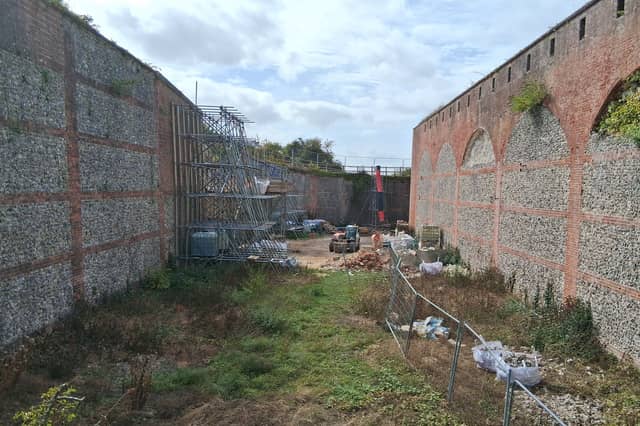


Many of the historic buildings in the Portsmouth area are at risk of being lost forever.
Historic England has published 2026’s Heritage At Risk register, highlighting the landmarks which need immediate attention and preserving. Two structures have been added to this year’s list, with none being taken off.
The register covers all listed buildings, scheduled monuments, conservation areas, registered parks and gardens and other categories. Claudia Kenyatta CBE and Emma Squire CBE, Co-CEOs of Historic England, said: “Our historic buildings and places help tell the story of where we live and contribute to the character and identity of local communities.
“Each year, the Heritage at Risk Register showcases the positive impact that restoring and reusing these special places can have. The most effective way to protect our buildings is to bring them back into use as places that create connection and enjoyment for local people.
“The sites saved and removed from the Register this year show what can be achieved when partners and communities work together to deliver positive, lasting change. By working together, we can protect our heritage for generations to come.”
Heritage Minister Baroness Twycross added: "Every part of the UK is bursting with history, so it is vital we protect the heritage sites at the heart of communities which help tell the stories of our nation. That’s why our £1.5bn Arts Everywhere Fund is so important, supporting efforts to save more than 1,000 arts venues, museums, libraries, and heritage buildings across England.
“The Heritage at Risk Register plays a crucial role in identifying these historic places that need our support. This year’s Register is an important reminder of the pressures facing our historic environment, from ageing buildings and structural deterioration to the impacts of extreme weather. I want us to build on our progress to ensure our heritage is protected for generations to come.”
Here are 28 structures on the list. One of them not included in the gallery is the archaeological site of the Motte and bailey castle near Apple Dumpling Bridge, south of Rowner in Gosport.
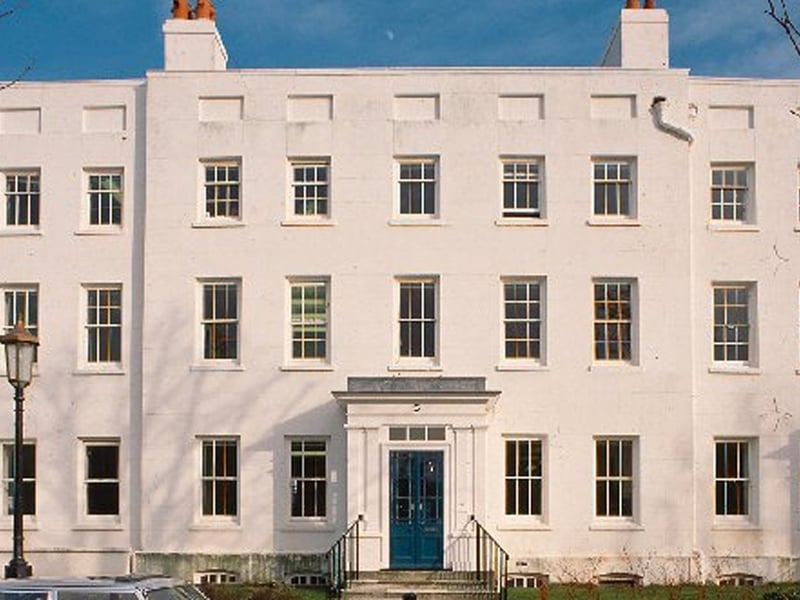
5. The Parade - HMNB Portsmouth
The Parade is a Terrace of dockyard officers' lodgings - 1715-19. It was partially converted to office use in 1995, but is now empty. Prone to wet rot and some structural movement, the site has persisting structural and drainage problems between the main building and the rear extensions. There is extensive decay in the panelling and some plaster ceilings have collapsed. An extensive programme of repair is underway and the roof has been reslated and the gutters repaired. Render and window joinery repairs are also underway as well as the repair of the timber porches. Further works to the rear extensions are planned. It has been given a priority grade of F - as repair work is underway - and is in fair condition. | Google
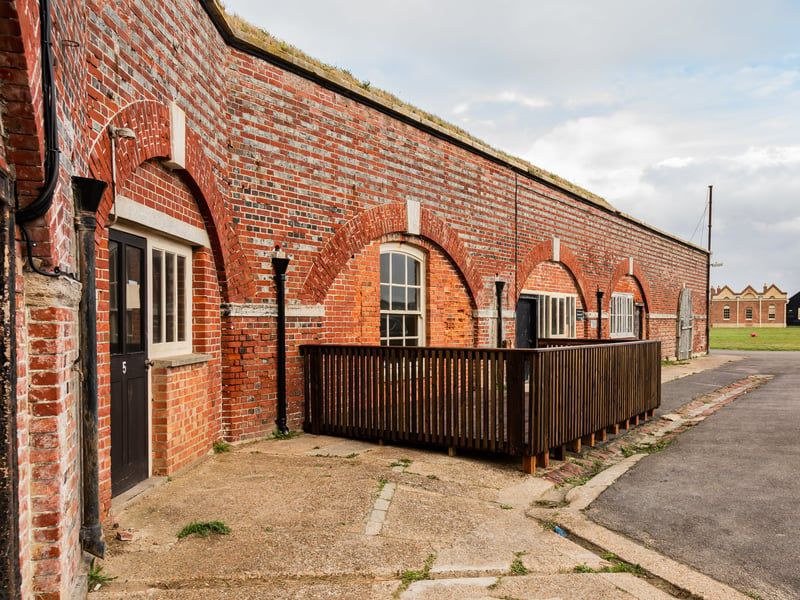
6. Fort Cumberland
Historic England said Fort Cumberland, one of the Palmerston forts, is slowly decaying and the scheduled monument is on the heritage at risk register. | Habibur Rahman
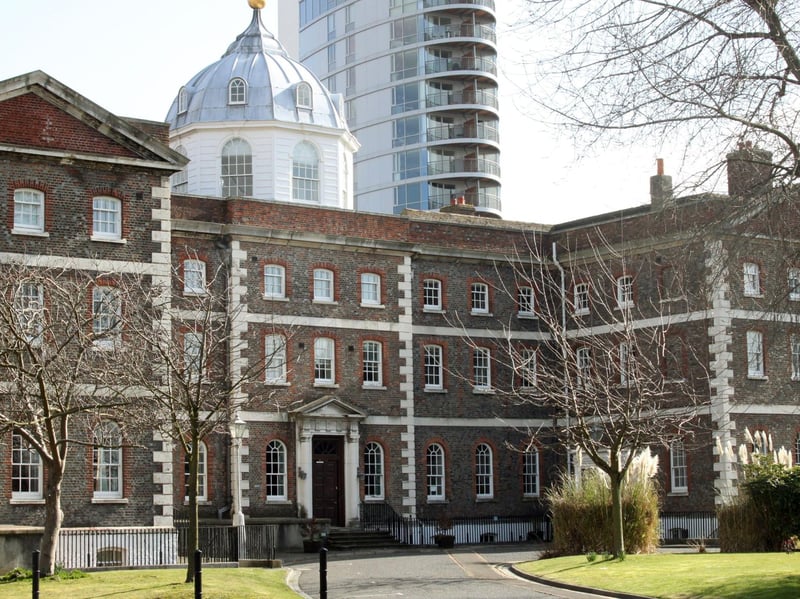
7. Former Royal Naval Academy, HM Naval Base, Portsmouth
One of the oldest structures in the Dockyard, this building is a Georgian forerunner of the Britannia Royal Naval College at Dartmouth. This building has long been vacant. Natural ventilation and background heating has been introduced and furnishings removed, reducing damp levels. Remedial works to roof coverings and parapet gutters have reduced water ingress and the dry rot appears to be dying back. The cupola has been repainted. Asbestos has been found in the roof and must be removed before full surveys can be undertaken, Historic England has said.
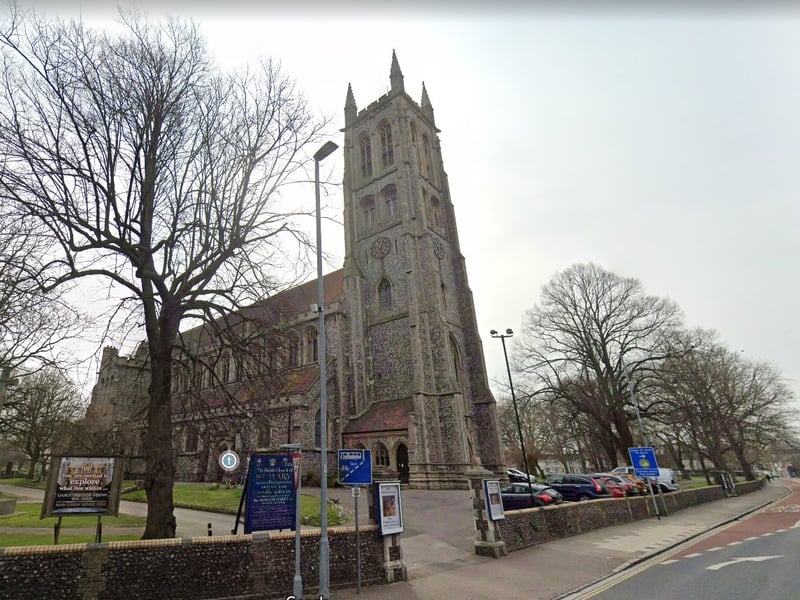
8. Church of St Mary - Fratton Road
The church was designed by Sir Arthur Blomfield and built of flint and Bath stone with plain tile roofs between 1887-9. The church has received significant grant aid from Historic England and the National Lottery Heritage Fund in three phases. Improvement work has been made to some of the roofs and the tower. Recent repairs to the building fabric have been carried out in connection with the Organ Project but further repairs need to be made to the roofs, south clerestory and chancel windows. It has a priority C grade and is in "poor condition". | Google Street View