
Lib Dem majority reshapes leadership and committees at full council
First post election council meeting reshapes leadership and committees
The first full meeting of Portsmouth City Council since the May elections has seen a reshuffle of leadership roles, committees and scrutiny panels.
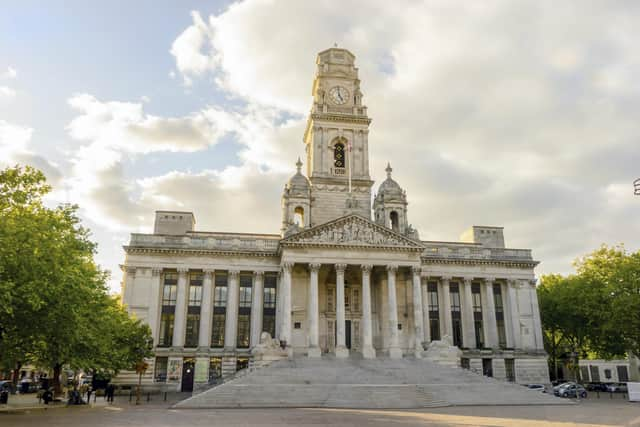

The meeting, which happened yesterday (19/05/2026), followed the Mayor Making ceremony that welcomed Councillor Abdul Kadir as the city’s Lord Mayor.
It was the first time the new council chamber convened since the local elections on May 7, which saw the Liberal Democrats secure an overall majority, with Reform UK becoming the main opposition party.
The political representation of the council, which has 42 seats, is made up of 22 Liberal Democrats, 12 Reform UK, four Labour councillors, three Conservatives and one independent.
Newly elected councillors include Denise Perry, Kate Dorrington, Billy Ansell and Steve Andrews of the Liberal Democrats, and Sam Coupland, Lamara Fudge and Carl Inman from Reform UK.
During the full council meeting, Cllr Steve Pitt was re elected as leader of the council. All parties voted in favour except Reform UK members, who abstained from the vote.
Cllr Pitt thanked members for their “confidence” but cast doubt over whether his term will last the prescribed four years, as Local Government Reorganisation threatens to replace the council with a larger authority covering Portsmouth and the Gosport, Havant and Fareham boroughs.
He said it “May not be possible even though I’m not up for election because this council is set to be abolished by the government – so it’s for two years currently and we’ll keep making our case.”
He added that cabinet positions will remain unchanged, except that Cllr Dave Ashmore will step down from his role in environmental services and be replaced by Cllr Stuart Brown.
Cllr Pitt expressed his “huge appreciation” for Cllr Ashmore for the “great contribution he’s made to the cabinet over the last few years”.
Committees
New positions were agreed, with chair and vice chair positions allocated to committees and panels.
The planning committee, which determines planning applications, will be chaired by Cllr Suzy Horton, the Liberal Democrat Deputy Lord Mayor, with Labour Cllr Mary Vallely serving as vice chair.
The licensing and licensing sub committee, which determines new licensing applications and adjudicates licensing rules, will be chaired by Liberal Democrat Cllr Richard Adair and vice chaired by Reform UK member for Paulsgrove George Madgwick.
The employment committee, which oversees the council’s workforce, will be chaired by Cllr Gerald Vernon Jackson and vice chaired by independent Charles Dickens councillor Cal Corkery.
The council’s Governance, Audit and Standards Committee ensures the council acts legally, transparently and ethically. It will be chaired by Liberal Democrat Cllr Ian Holder and vice chaired by Reform UK member for Hilsea Matthew Cordy.
Scrutiny panels
Scrutiny panels investigate specific issues, review policies, monitor council performance and make recommendations to the cabinet for improvements.
The council’s Economic Development, Culture and Leisure Scrutiny Panel will be chaired and vice chaired by Reform UK members Russell Simpson and Matthew Cordy.
The Education, Children and Young People Scrutiny Panel will be chaired by Conservative member Hannah Brent and vice chaired by newly elected Reform UK member Lamara Fudge.
The Health Overview and Scrutiny Panel will be chaired and vice chaired by Liberal Democrat councillors Mark Jeffery and newly elected Denise Perry.
The Housing and Social Care Panel will be chaired by Labour’s Graham Heaney and vice chaired by Reform UK’s Raymond Dent.
The Scrutiny Management Panel will be chaired by Cllr Mary Vallely and vice chaired by Reform UK’s Lee Tindall.
The Traffic, Environment and Community Safety Scrutiny Panel will be chaired by Reform UK’s Joe Standen and vice chaired by Portsmouth Labour leader Charlotte Gerada.
Political balance
The Local Government and Housing Act 1989 requires the majority of seats on committees and panels to be allocated to the group holding the majority of seats on the council.
Since the Liberal Democrats hold an overall majority, they will outnumber other parties on committees and panels.
An overall majority means the council is likely to see quicker decision making, fewer political compromises and more direct leadership from the Liberal Democrats.
Opposition parties may have less influence over committees and scrutiny, but the administration will face greater accountability for council services, spending and policy.