
New drones and sensors for Royal Navy to protect undersea cables from aggressive Russian submarines

Undersea infrastructure which is vital for our lives is coming under threat from the Kremlin
Advanced drones and sensors will bolster the Royal Navy’s protection over undersea cables amid aggressive actions from Russia.
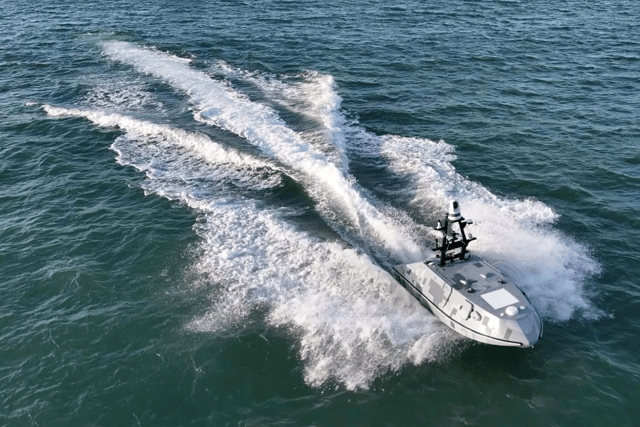
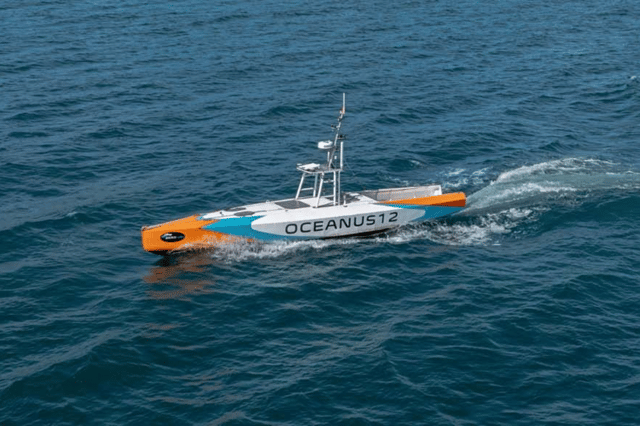
The government has invested £90m into protection undersea infrastructure in the North Atlantic by acquiring new drones, sensors and AI systems. This new framework, known as Atlantic Net, will strengthen the Royal Navy’s ability to protect crucial shipping routes and cables by using a group of autonomous systems.

Minister for defence readiness and industry, Luke Pollard, said: "The threats beneath the North Atlantic are changing, and we are changing with them. This investment gives the Royal Navy new technology to find threats earlier and protect our critical infrastructure, while also backing British business. It shows that we’re getting on with the job of investing in our Armed Forces and strengthening our deterrence under the sea, to support our ultimate, nuclear deterrent."
Russian surveillance ships and submarines have been spotted in the area on several occasions. Nato warships ran into a Kilo-class attack submarine in late October. The intelligence-gathering ships Viktor Leonov had to be stalked by aircraft while traversing the Outer Hebrides between September 29 and October 8. Putin’s ships have previously damaged undersea cables in the Baltic, dropping anchors to catch and pull them until they break.
Under Atlantic Net, advanced sensors will help detect Russian submarines and nefarious activity. Un-crewed systems will patrol the depths of the seas to hunt down threats. The aim is to create single surveillance service that will provide submarine-hunting warships and Astute-class submarines with early warnings of activity, and a clearer picture of what’s happening beneath the sea.
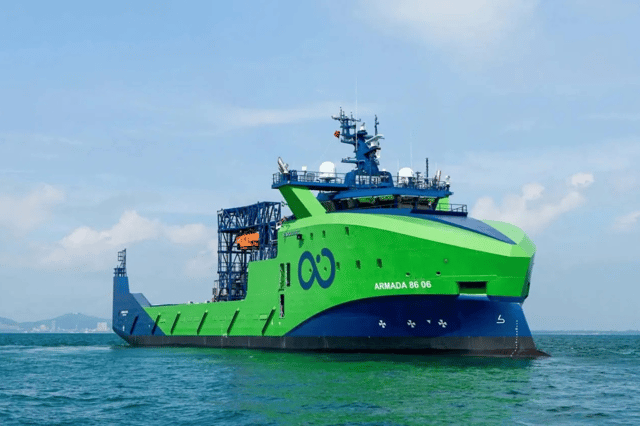
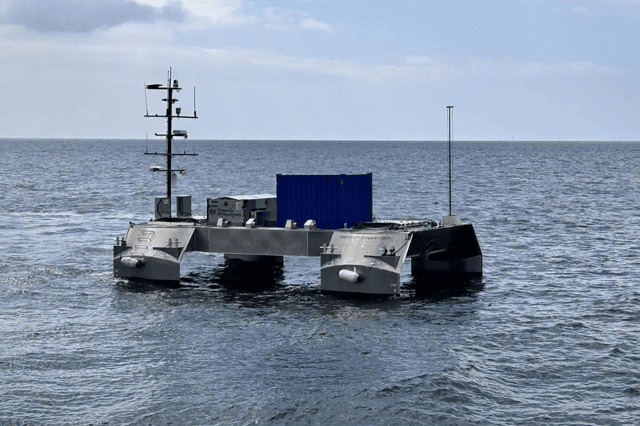
This framework, announced today at the International Sea Power Conference in Oslo, Norway, is part of the Atlantic bastion programme. Conventional warships, alongside un-crewed systems and drones, will form a hybrid force to protect strategically important areas.
Ocean Infinity Solutions in Hampshire will play a crucial role in this framework, with the investment supporting nearly 200 jobs and the immediate supply chain. President of solutions Joe Robinson said: “The Royal Navy has been exploring how to move beyond traditional, heavily crewed fleets towards a broader mix of robotic and lean-crewed platforms.
“Atlantic Net is that idea coming to life. It is a significant step forward in how naval capability can be delivered, using uncrewed and autonomous systems at a scale that has not been seen before. Being selected for Atlantic Net reflects the confidence customers have in our ability to deliver complex, technology-led programmes, building on the credibility Ocean Infinity has established over the past ten years.”