
Royal Navy: Portsmouth squadron that recovered migrant boats in English Channel and saved lives receive award
.jpg?width=96&crop=1:1,smart)
A Portsmouth-based squadron has been awarded with a prestigious accolade after recovering migrant boats sailing in the English Channel.
The Royal Navy’s Coastal Forces Squadron are the new holders of the prestigious Firmin Sword of Peace after being adjudged to have made valuable contribution to humanitarian and lifesaving activities. Personnel from the squadron are in charge of operations involving 16 P2000 fast patrol boats, which have recently been deployed around the waters of the UK and northern Europe.
For 14 months, the squadron and its boats supported broader government efforts in the Dover strait, led by the Home Office. This was a major change for the sailors, who previously focused primarily on navigation training.
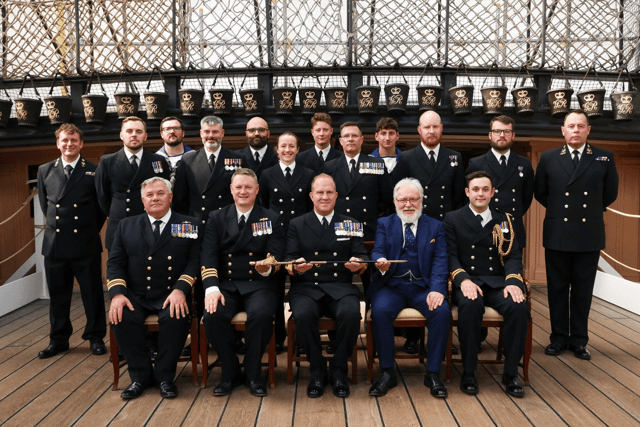

The patrol boats - crewed by five personnel each - were involved in a multi-agency operation, codename Isotrope. This involved maintaining an enduring presence in the English Channel over a 14-month period. Six vessels were deployed at any one time to potentially save lives and ensure safe navigation in one of the busiest shipping lanes in the world.
Working closely with the Maritime Coastguard Agency and RNLI, the P2000 crews identified, tracked, and safely recovered migrants attempting to reach the UK. The Royal Navy said the crew recovered more than half the vessels used to cross the Channel, with occupants being processed and shipping lanes kept clear. Links were identified between the migrant boats, distribution cells and gangs behind the operation.

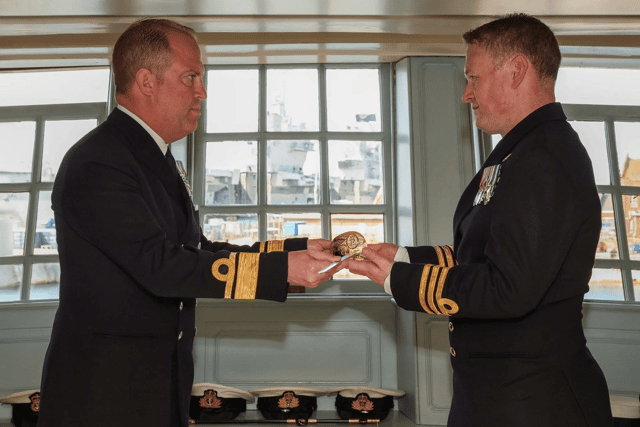
Chief Petty Officer Dean Reed, an engineering officer aboard HMS Trumpeter, said: “It was a really tough period, operating in all weathers. Keeping the boats at the required readiness away our logistics and engineering hubs was a real challenge.”
The squadron’s Commanding Officer, Commander Richard Skelton, said its work on the operation had been “a credit to every member of the squadron”. “The operation was very challenging for the squadron as a whole, with ship’s companies relocated away from their home bases,” he added. “The requirement to keep six boats available at short notice was a tremendous engineering challenge - and one which we met, delivering 99 per cent availability in demanding conditions.”
Archer-class patrol boats are being shifted into being available on more operational missions rather than just training duties. They have been deployed to the Norwegian Arctic, Gulf of Riga in the Baltic and even the heart of Paris. Earlier this summer, two P2000 vessels were stationed at the D-Day 80 commemorations.