
Air ambulance sees increase of serious incidents during June heatwave
The hot weather caused more problems for people with underlying conditions
Air ambulance crews saw an increase in demand during the June heatwave with the hot weather leading to cardiac arrests and health problems for vulnerable people.
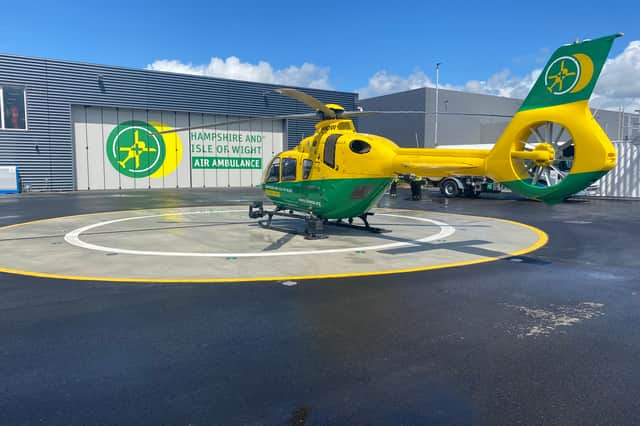

Hampshire and Isle of Wight Air Ambulance responded to 61 emergency calls for help in the seven-day period between 22-28 June when the UK experienced the hottest June on record, a 20% increase compared with the previous week.
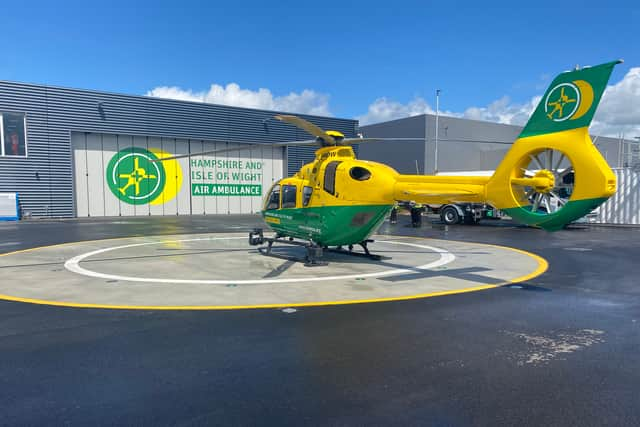
Doctors, pilots and advanced paramedics from the charity typically respond to road traffic collisions, major trauma, and serious medical incidents that require specialist critical care.
However, alongside their usual workload, the teams witnessed a large proportion of incidents were directly linked to the hot weather, with dehydration, heat exhaustion and heatstroke occasionally leading to more serious cases such as cardiac arrests, exacerbations of heart failure and increased susceptibility to illness in vulnerable patients.
Advanced paramedic Mark Faulkner said: “Our teams bring advanced critical care directly to the patient. We can rapidly assess patients who are seriously unwell, identify whether the heat is the primary cause or a contributing factor and initiate treatment immediately.
“This may include advanced monitoring, airway management, specialist medications, fluid resuscitation, blood products where appropriate and senior clinical decision-making at the scene.
“By delivering hospital-level interventions at the patient's side, we can stabilise critically ill patients earlier and ensure they reach the right specialist care as quickly as possible.”
High temperatures in the cockpit as well as on scene added to the complications faced by the team, with strict procedures in place to manage the storage of temperature-sensitive equipment, medicines and blood to ensure they remain safe and effective when needed.
Mark added: “Although the aircraft is ventilated, cockpit temperatures can become incredibly warm, particularly while on the ground and during extended periods in direct sunlight.
“Working in extreme temperatures can be physically demanding. We often move from one incident straight to another, spending prolonged periods outdoors, carrying heavy equipment and wearing specialist protective clothing.
“We make every effort to stay hydrated and take short breaks whenever operationally possible, but there are occasions when we move between emergencies with little downtime.
“The most important thing people can do is to plan ahead and take the heat seriously. Hot weather affects far more than people's comfort. It has the potential to place significant physiological stress on vulnerable individuals and create additional demand across the entire health and care system.”
Hampshire and Isle of Wight Air Ambulance crews have so far responded to almost 1,200 emergencies across the region this year, with every deployment funded by charitable donations from members of the public.
For more information, visit hiowaa.org