
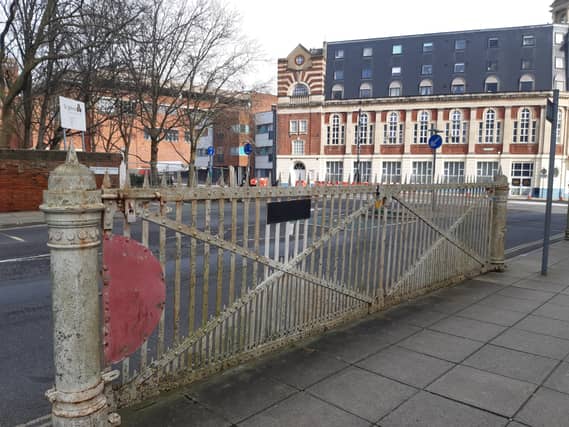

But it is its connection to the Royal Navy which has helped shape it over the centuries, with many of its historic gems having roots in the city’s strategic position in the Solent.
Portsmouth was founded in 1180 by Anglo-Norman merchant Jean de Gisors in the south-west area of Portsea Island, a location now known as Old Portsmouth was home to the first drydock ever built constructed by Henry VII in 1496.
King Henry VIII added important sites such as Southsea Castle, which is still standing today, and over the centuries other now historic and important buildings were added as our city’s rich history grew.
However much of our city was changed and history was sadly lost in the 1940s.
This is because during the Second World War, the city was bombed extensively by the Luftwaffe in 67 air raids between July 1940 and May 1944. This destroyed 6,625 houses and severely damaged 6,549, leading to a huge rebuild which - at first - took place off Portsea Island before the main island city itself was revamped.
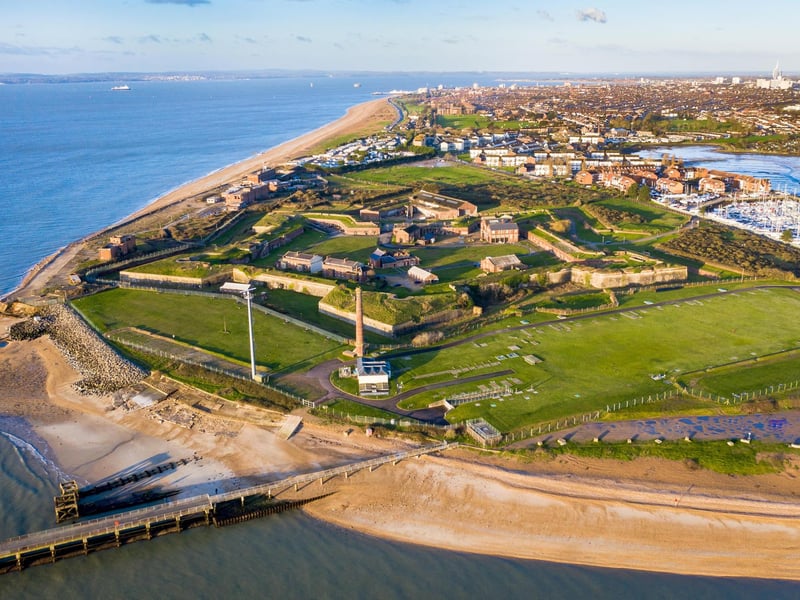
17. Fort Cumberland
The coastal fort in Eastney was built in 1748 on the site of an earthwork battery built in 1714. The fort had an irregular star shaped form, and was of earthwork construction. Within the body of the fort, a number of brick buildings were constructed, comprising a guardhouse, storeroom and powder magazine. Of the two proposed barrack blocks, only one is believed to have been completed. Over the years has it has been rebuilt and re-armoured. Most recently it has been used as a base for the Royal Marine Artillery howitzer and anti aircraft brigade, and later for the Royal Marine Mobile Naval Base Defence Organisation, as an experimental and training centre. The fort saw brief action during the Second World War when, on 26 August 1940, it was hit by a German air raid in which eight Royal Marines were killed. Today the site is home to a number of local businesses including the award-winning Portsmouth Distillery Company. Organised tours around the site take place several times a year. | Brian Bracher/Compass Photography Services Photo: Brian Bracher/Compass Photography Services
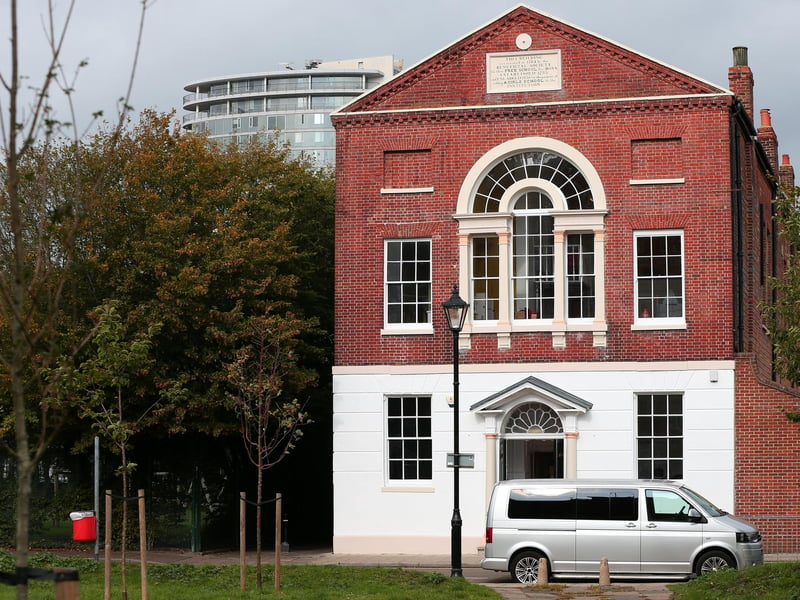
18. The Beneficial School (Groundlings Theatre)
The Beneficial School of 1784 and 1836 in Kent Street is now in use as a venue by the Groundlings Theatre Trust and is a perfect little historical gem in our city. There are plenty of shows and events through the year organised by the theatre if you want to see inside! Photo: Chris Moorhouse
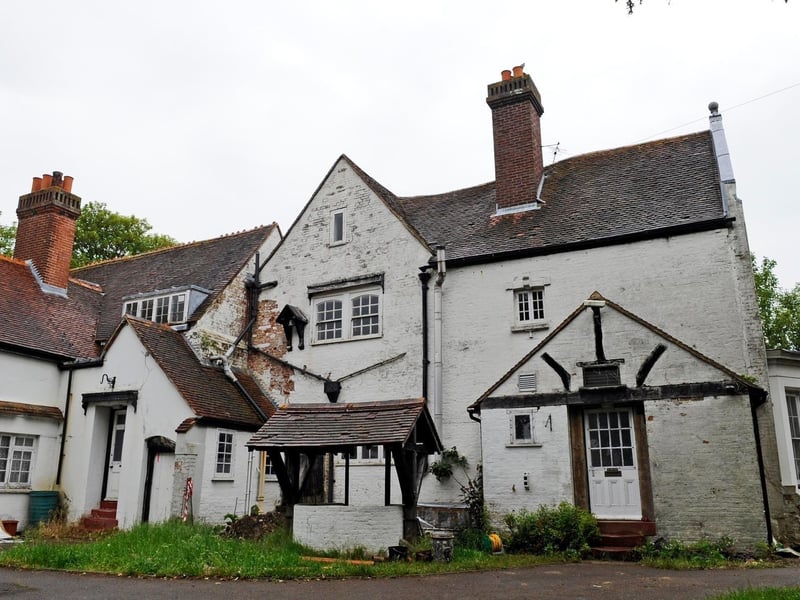
19. Wymering Manor
The manor house in Old Wymering Lane has a medieval fabric and is said to be one of Hampshire's most haunted buildings. It was acquired by the Wymering Manor Trust which currently hosts events, including ghost hunts, and tours which helps raise money to maintain it. Photo: Malcolm Wells