
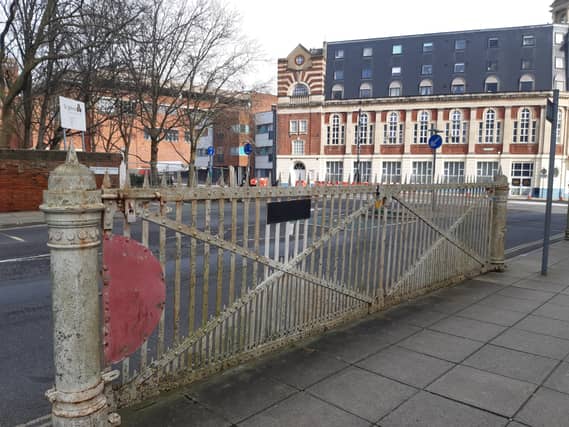

But it is its connection to the Royal Navy which has helped shape it over the centuries, with many of its historic gems having roots in the city’s strategic position in the Solent.
Portsmouth was founded in 1180 by Anglo-Norman merchant Jean de Gisors in the south-west area of Portsea Island, a location now known as Old Portsmouth was home to the first drydock ever built constructed by Henry VII in 1496.
King Henry VIII added important sites such as Southsea Castle, which is still standing today, and over the centuries other now historic and important buildings were added as our city’s rich history grew.
However much of our city was changed and history was sadly lost in the 1940s.
This is because during the Second World War, the city was bombed extensively by the Luftwaffe in 67 air raids between July 1940 and May 1944. This destroyed 6,625 houses and severely damaged 6,549, leading to a huge rebuild which - at first - took place off Portsea Island before the main island city itself was revamped.
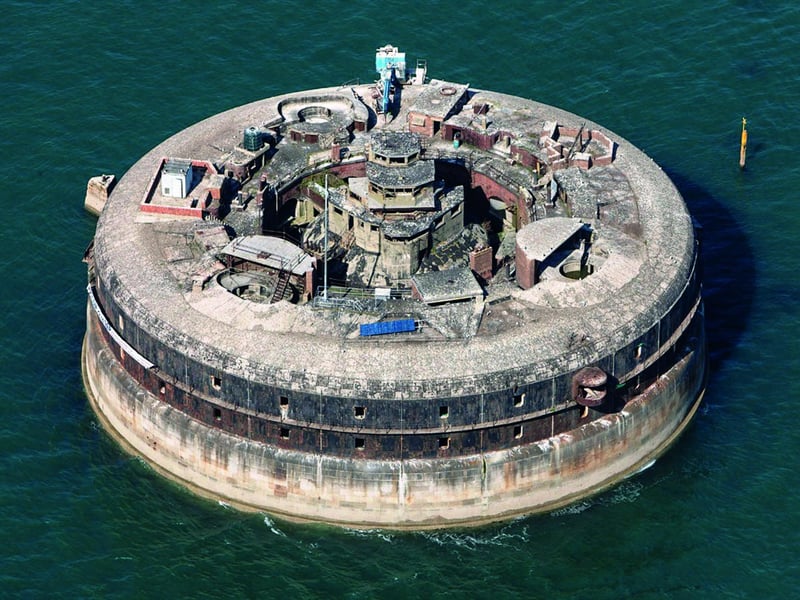
13. Solent Forts
The 19th century Palmerston Forts that encircle Portsmouth were built in response to a perceived threat of a French invasion and are fantastic sight in the Solent. They were used during both world wars and have had a number of uses over the years. Spitbank Fort, closest to Portsmouth, is now in private ownership following its sale after a period as a luxury hotel, as is Horse Sand Fort (pictured) which is the next closest. No Man's Land Fort, also used as a hotel for a time, has also been sold, while St Helens Fort which is closest to the Isle of Wight is also in private ownership. Photo: -
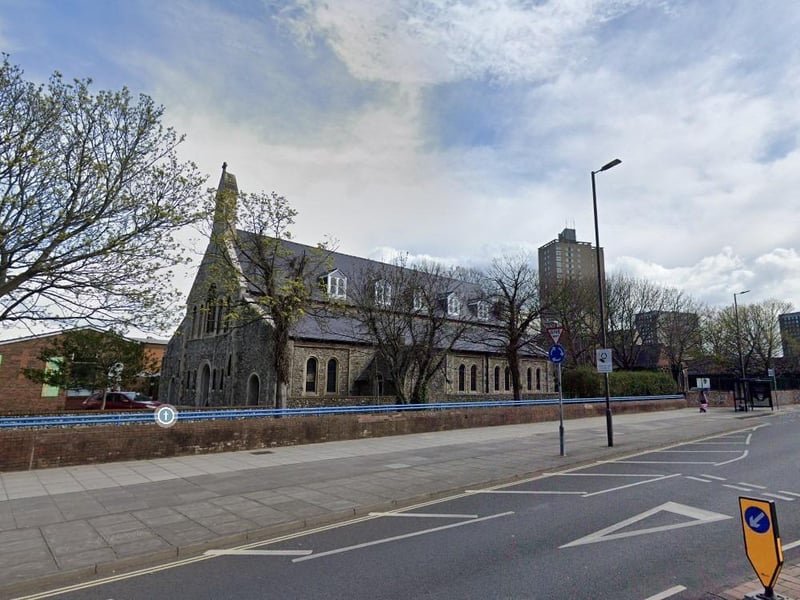
14. Church of St Luke, Greetham Street, Portsmouth
The Neo-Norman church by Thomas Hellyer of Ryde is dated 1858-61and is built of flint and stone with a Welsh slate roof. It is at risk due to extensive damp problems caused by water ingress resulting mainly from faulty and undersized rainwater goods. Cementitious repointing worsens the damp problems. Plans are in the pipeline to ‘transform’ the St Luke’s church car park into a garden and café as part of an overall project to improve the building and surrounding area which it is hoped will also address the outstanding repair issues. Photo: Google Maps
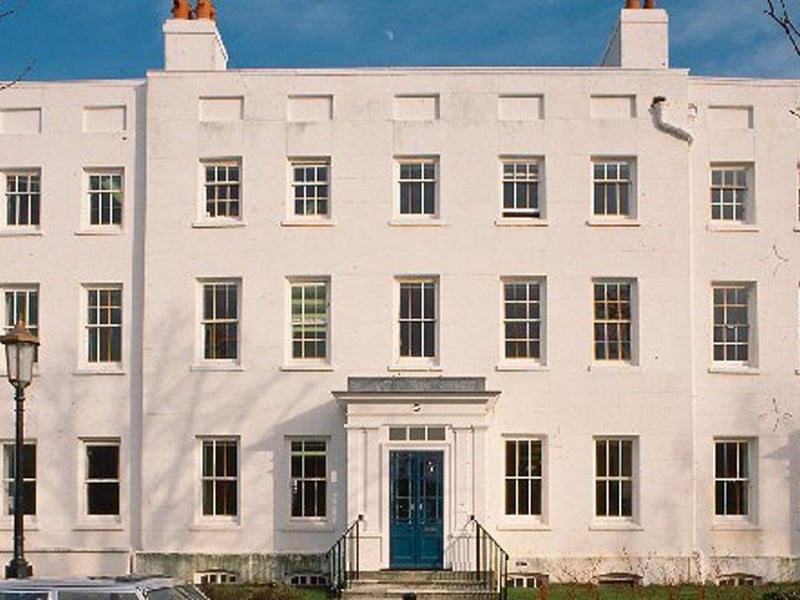
15. Historic buildings within Portsmouth's Naval base
HMNB Portsmouth is home to a treasure trove of historic buildings which have seen a variety of uses over the years. They include The Parade (pictured) which was a terrace of dockyard officers' lodgings built in 1715-19. Although there is, understandably, no public access to the naval base, from Portsmouth's Historic Dockyard you can see into part of the naval base and its historic buildings to give you a taste of what is in the area. And of course while you are there you can discover the treasure trove of historic attractions at the site including HMS Victory and Warrior and the Mary Rose. Photo: Google Maps
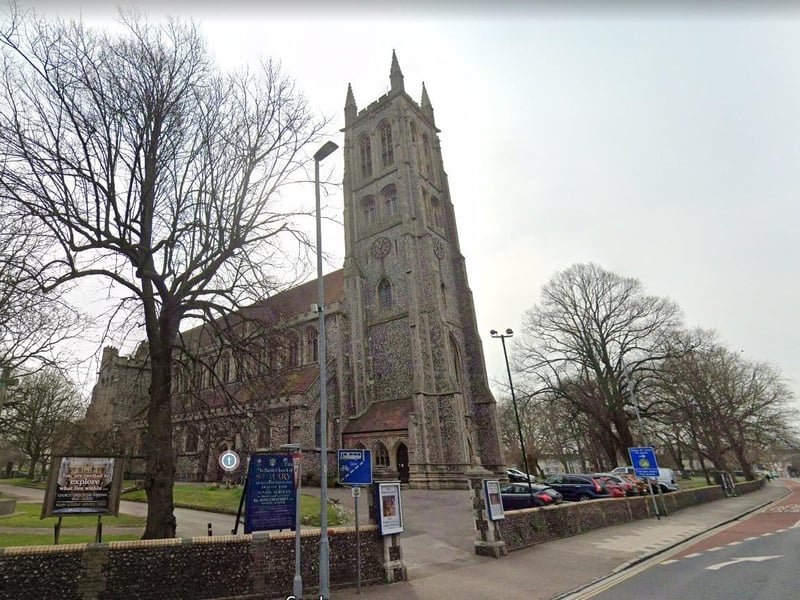
16. Church of St Mary
Church of St Mary in Fratton Road has sat at the heart of our city for many years and is full of history. The church was designed by Sir Arthur Blomfield and built of flint and Bath stone with plain tile roofs between 1887-9. The church has received significant grant aid from Historic England and the National Lottery Heritage Fund in three phases and this has dealt with some of the roofs and tower. Recent repairs to the building fabric have been carried out in connection with the Organ Project. Photo: Google Maps