

Today it is bustling (largely) island city with a growing tourism economy and key leisure facilities (although talk of a ‘regeneration’ has continued over the years), but it has undergone a huge transformation as it adapted to a more modern world.
Changes to the city’s roads, economy, and major buildings means we have an evolving city to celebrate - and we look forward to the changes to come.
Here we look at the landmark moments which have shaped Portsmouth:
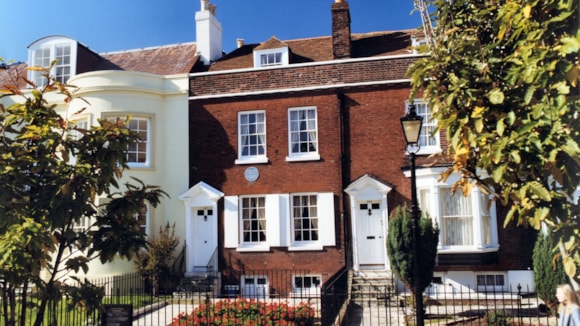
5. 1811 – Birth of Charles Dickens
The famous novelist was born in Old Commercial Road (previously known as Mile End Terrace) in the city. His birthplace is now a museum and his connection with our city has visitors flocking here. There is also statue commemorating him in Guildhall Square. | Charles Dickens Birthplace Museum Photo: Charles Dickens Birthplace Museum
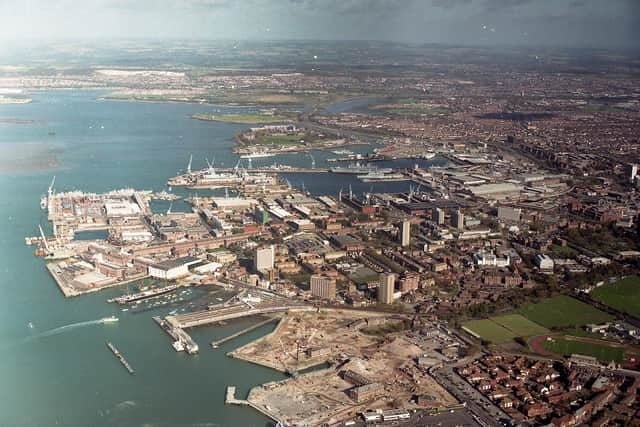
6. 1850s–1870s – Major Naval Expansion
Portsmouth’s dockyard was expanded significantly in the 1800s, becoming one of the most important naval facilities in the world. It remains so to this day with improvements over the years. Today it is the home to both of the Royal Navy's aircraft carriers. | contributed
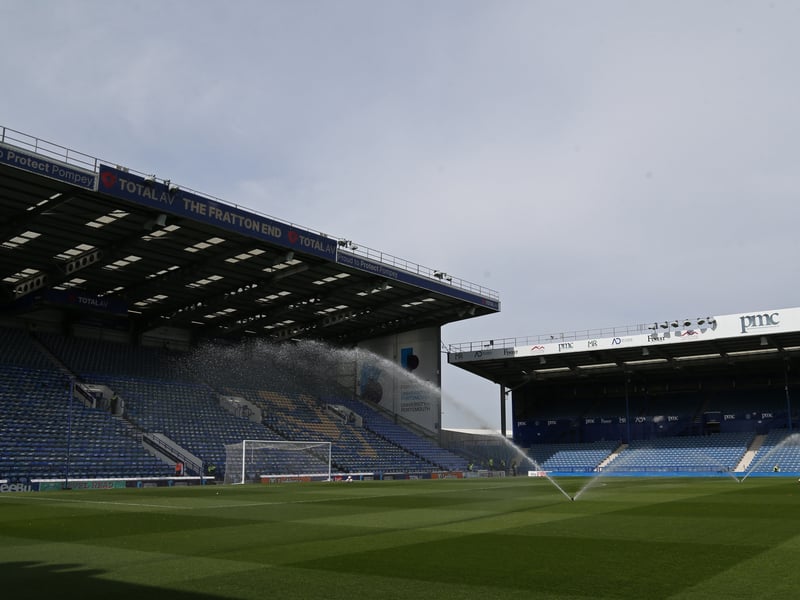
7. 1898 - Portsmouth Football Club was founded
Portsmouth FC was founded on April 5 1898, at 12 High Street, Old Portsmouth, as "The Portsmouth Football and Athletic Company", with John Brickwood as chairman. However a football ground or a team of players did not exist until 1899 when work was carried out on a plot of former agricultural land near Goldsmith Avenue bought from the local Goldsmith farming family. The new football ground was to be named Fratton Park after the nearby Fratton railway station - and thus the local landscape was changed forever. And so began a city passion to support the team with strong military connections, with the club's supporters fiercely passionate about their team. Portsmouth are one of only five English football clubs to have been champions of all four tiers of the professional English football pyramid and have won the FA cup twice. It seems fitting that Portsmouth held the FA cup over the second world war years at a time when the city was so vital to the war effort. | Getty Images
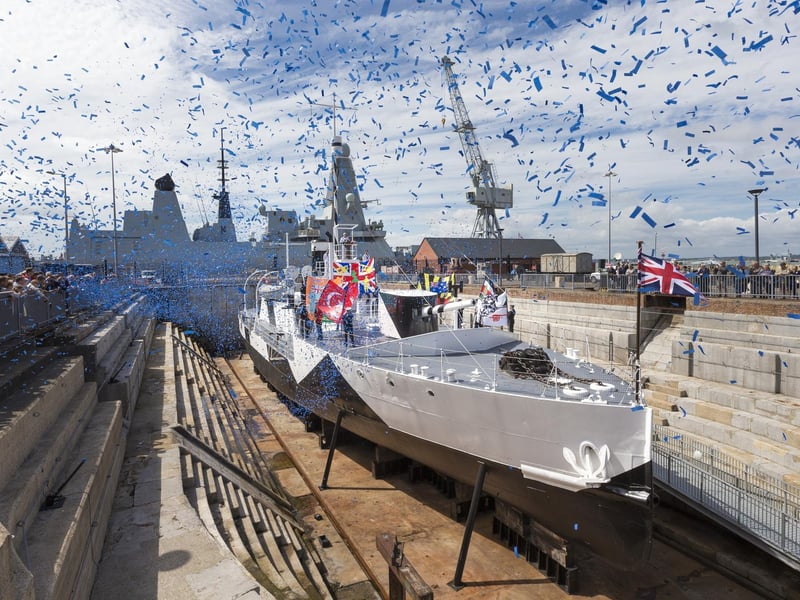
8. 1914–1918 – World War I
Portsmouth served as a key naval base for the Royal Navy, with heavy shipbuilding and deployment of fleets. This includes the HMS M.33, based at Portsmouth Historic Dockyard, which was the only surviving RN ship in the ill-fated 1915 Gallipoli campaign in Turkey, in which 46,000 Allied troops died. The National Museum of the Royal Navy (NMRN) opened HMS M.33 to the public following a £2.5 million conservation project funded by the Heritage Lottery Fund. Picture by Christopher Ison Photo: Christopher Ison