

Today it is bustling (largely) island city with a growing tourism economy and key leisure facilities (although talk of a ‘regeneration’ has continued over the years), but it has undergone a huge transformation as it adapted to a more modern world.
Changes to the city’s roads, economy, and major buildings means we have an evolving city to celebrate - and we look forward to the changes to come.
Here we look at the landmark moments which have shaped Portsmouth:
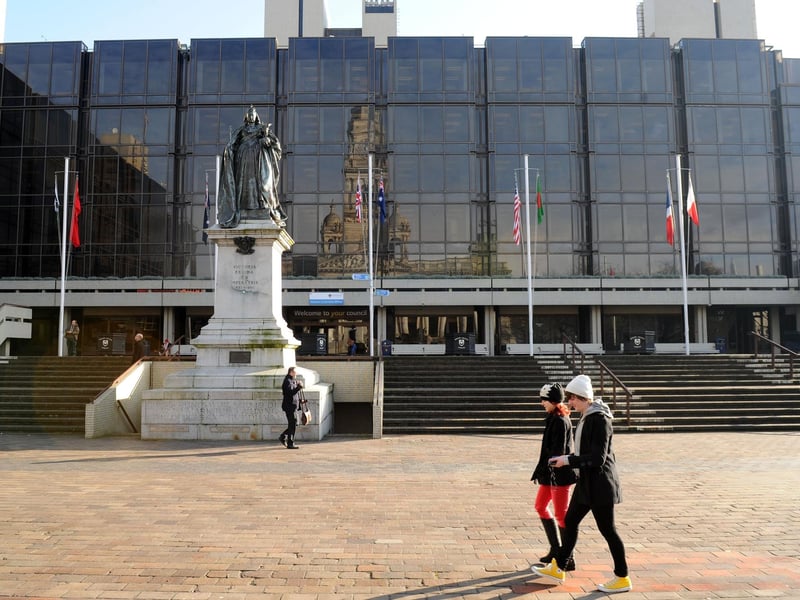
9. 1926 - Portsmouth officially becomes a city
Portsmouth was granted city status in 1926 after a long campaign by the borough council. The application was made on the grounds that it was the "first naval port of the kingdom". In 1929, the city council added the motto "Heaven's Light Our Guide" to the medieval coat of arms. Portsmouth's boundaries were extended beyond Portsea island and onto the mainland between 1920 and 1932 by incorporating Paulsgrove, Wymering, Cosham, Drayton and Farlington into Portsmouth - forever changing it from being just an 'island city' - though that is a status Portsmouth is still very proud of today. Picture: Allan Hutchings (150076-182) Photo: Allan Hutchings
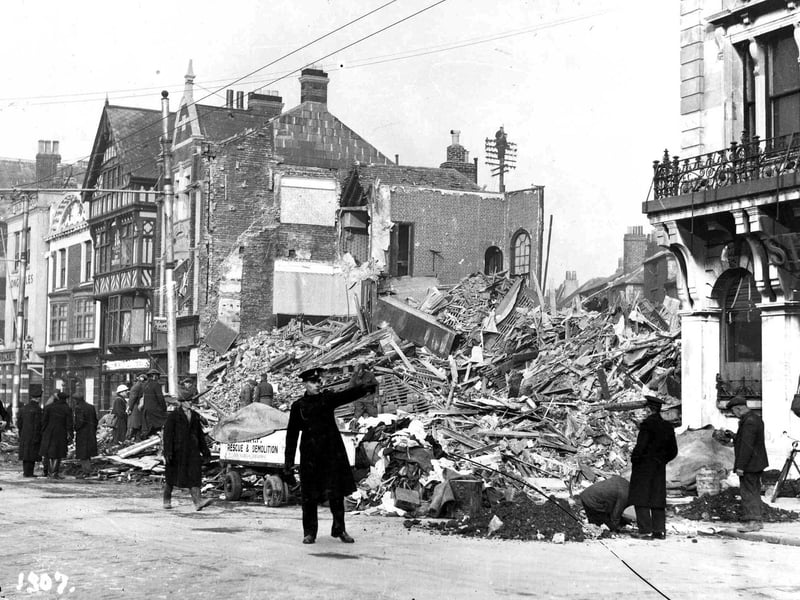
10. January 10, 1941 - World War II bombing
Just like during the first world war, Portsmouth remaining of critical importance to the Allied efforts during the second world war. But one consequence of that was that it then found itself as a key target for German bombers. Portsmouth officially suffered 67 air raids between July 1940 and May 1944, three of these categorised as major attacks. The three major raids took place on August 24th 1940 during the Portsmouth Blitz, January 10th 1941 and March 10th 1941. Of these, the deadliest day of bombing in Portsmouth, and one of the most severe during the entire Blitz, was January 10, 1941. This air raid resulted in 172 deaths and injured hundreds more, damaging or destroying thousands of buildings. Around 20 per cent of the city's homes were damaged or destroyed by the end of the war. This led to Portsmouth City Council buying land at Leigh Park for a new housing estate where people live to this day. Pictured: War Reserve Constable Clooney directing matters outside a bombed building Photo: The News archive
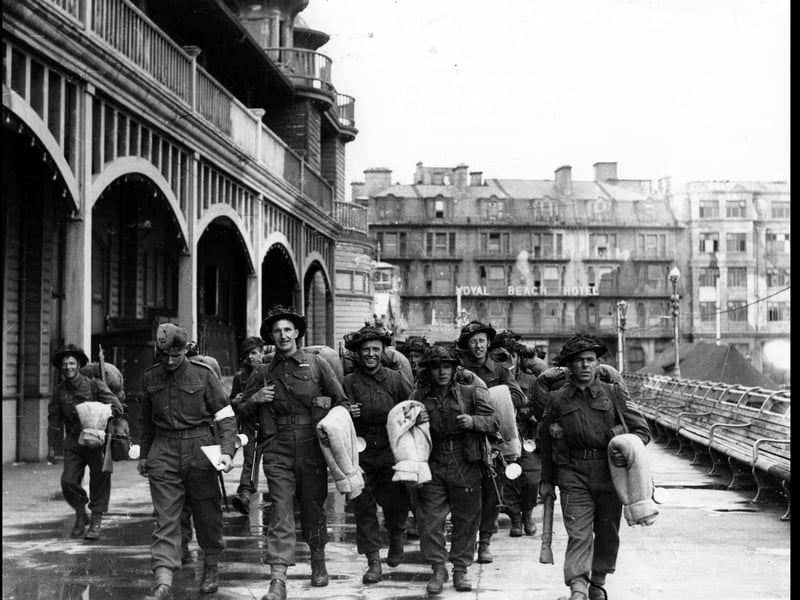
11. June 6, 1944 - Normandy Landings (D-Day)
Portsmouth was a central embarkation point for the Allied operation to take Europe back from the Nazis, with Operation Overlord planned at nearby Southwick House, in the village just outside the city, and underground in the tunnels at Fort Southwick on the top of Portsdown Hill. Soldiers camped in and near the city ahead of the launch of the operation, with D-Day delayed by a day as a result of bad weather. One of the embarkation points was at South Parade Pier in Southsea (pictured). The Normandy Landings are considered a turning point during the war, with the museum the D-Day Story in Southsea telling the story of the successful operation to this day. (c) The News, War Series 2859 Photo: The News archive
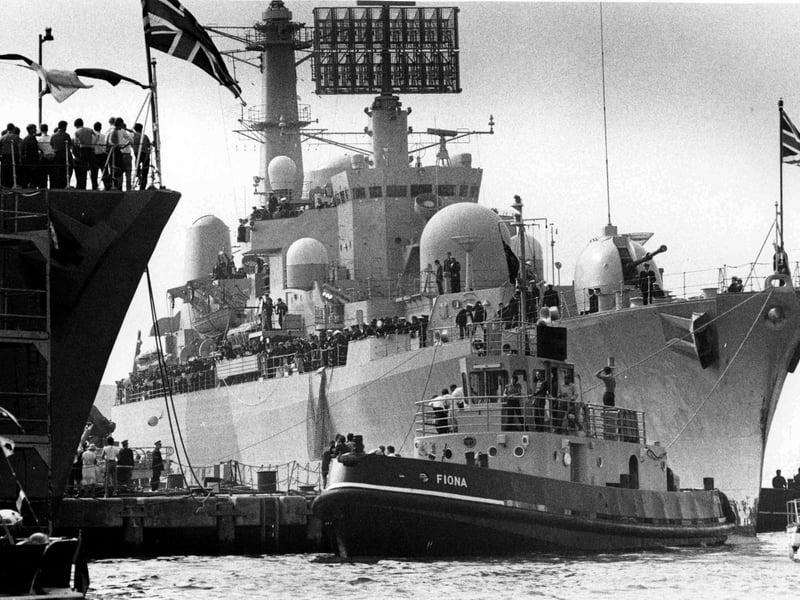
12. 1982 – Falklands War
British naval forces departed from Portsmouth for the South Atlantic to retake the Falkland Islands in a a 74-day conflict in 1982 between Argentina and the United Kingdom over the British overseas territory. In total, 649 Argentine military personnel, 255 British military personnel, and three Falkland Islanders were killed during the hostilities. Four British Ships - HMS Sheffield, HMS Ardent, HMS Antelope, HMS Coventry - and the Argentine ship ARA General Belgrano were sunk. The Coventry and the Sheffield were both based in Portsmouth, with Falklands veterans continuing to honour those who were lost. Pictured: HMS Bristol returning from the Falkland Islands, September 1982. | The News Portsmouth