
Dyslexia at school: five ways Portsmouth parents can help their child thrive
Every child learns differently and, for children with dyslexia, school can bring challenges that aren’t always easy to recognise. While reading and spelling are often the first things people associate with dyslexia, it can affect everything from remembering instructions to organising schoolwork – and no two children will experience it in quite the same way.
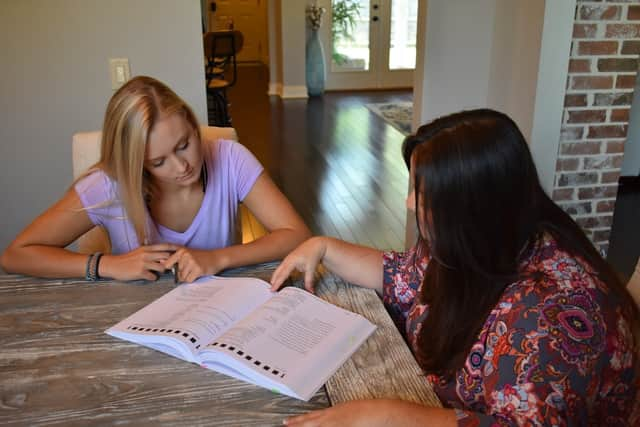

Whether your child has recently been identified as having dyslexia or you’ve known about their learning needs for some time, understanding how best to support them can make a real difference to their experience of school.
Here, Becky Ward, Education Specialist at Fareham-based education brand Tutor Doctor, shares five ways parents can help children with dyslexia thrive at school, from recognising their individual learning needs to working with teachers and finding the right additional support.
1. Look beyond the letters
Dyslexia isn’t always easy to recognise, as the signs can vary considerably from one child to another. In fact, only one in three young people surveyed said they were diagnosed at primary school1.
Beyond reading and spelling, children may struggle with remembering instructions, organising schoolwork or putting thoughts onto paper. Dyslexia has nothing to do with intelligence and not every child struggles with letters.
Instead of looking for one particular sign, pay attention to the tasks your child finds challenging and where they might need support.
2. Keep teachers in the loop
Your child might manage certain tasks at home but struggle with them in a busy classroom or vice versa. That’s why regular communication with teachers is so valuable.
Ask what your child finds challenging, which strategies are helping and what you could practise together at home. Share your observations too, whether they respond better to visual instructions, need extra processing time or benefit from breaking tasks down into smaller steps. A consistent approach between home and school can help children feel more supported.
3. Make support work for them
There’s no one-size-fits-all approach to dyslexia. Start by speaking to your school’s special educational needs coordinator (SENCO), who can explain what support is available – even without a formal diagnosis. Small adjustments can make a big difference:
· Extra processing time – allowing longer to understand questions and respond
· Visual prompts – using checklists, pictures and breaking instructions into smaller steps
· Assistive technology – audiobooks, text-to-speech and speech-to-text tools can make reading and writing more accessible.
Personalised, one-to-one tuition can also complement classroom learning, helping children practise skills and build confidence at their own pace.
4. Take pressure off at home
After a busy school day, homework shouldn’t become another source of stress. A calm environment and a little flexibility can make learning more manageable. Try these simple approaches:
· Keep it manageable – create a quiet workspace, break homework into shorter activities and allow regular breaks
· Make learning interesting – try rhyming games, clapping syllables, tracing letters or picture dictionaries
· Enjoy stories together – use audiobooks, shared reading or books linked to your child’s interests
· Go step by step – give one instruction at a time, demonstrate tasks and allow extra thinking time.
Above all, be patient. The goal is to help your child feel comfortable, supported and confident in their abilities, while encouraging them to persevere when learning becomes difficult.
5. Confidence counts just as much as grades
Seven in 10 dyslexic young people said dyslexia made them feel bad about themselves2. When everyday schoolwork feels more challenging, confidence can suffer.
Celebrate your child’s strengths, whether that’s creativity, problem-solving, sport or something else. Praise effort and progress rather than just results. For example, ‘I noticed how you broke that question down’ recognises the strategies they’ve used.
Let your child have a say in what helps them learn too. Choosing between visual reminders, regular breaks or different approaches can give them a greater sense of independence and control over their learning.
Dyslexia doesn’t define what a child can achieve. With patience, understanding and the right support, parents can help their children recognise their strengths and develop a more positive relationship with learning.
To find out more about Tutor Doctor and the services they provide, please visit https://www.tutordoctor.co.uk/
1 British Dyslexia Association, Pathway Interrupted report, Sep 2026
2 British Dyslexia Association, Set Up for Somebody Else report, Oct 2025