
I’m an insurance expert - These are five checks to make before Storm Austen arrives
As Storm Austen is set to batter the UK, an insurance expert is urging households to check whether their properties are adequately protected against flooding and storm damage.
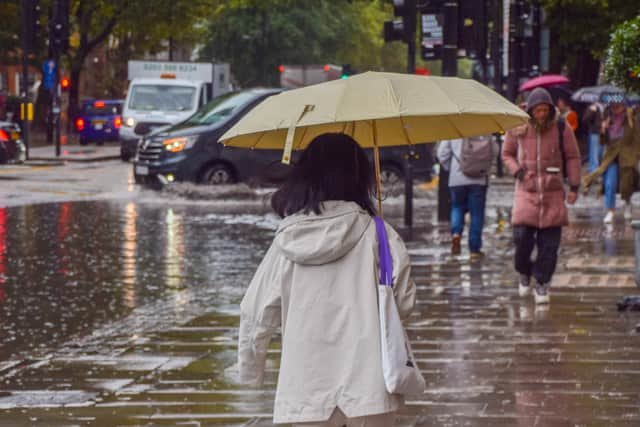

Storm Austen is forecast to reach parts of the UK later today, bringing strong winds and heavy rain, with amber and yellow weather warnings covering parts of the country. The Met Office has also warned that gusts could reach highs of 80mph on exposed headlands, accompanied by heavy rain.
The latest weather warnings come as 6.3 million properties in England are at risk of flooding from rivers, the sea or surface water, according to Environment Agency figures.
Craig Morgan, an insurance expert at SJL Insurance Services, is urging homeowners to check their cover before severe weather arrives.
Craig said:
"The mistake homeowners can make is assuming that because they have home insurance, every type of storm or flood-related damage will automatically be covered in every circumstance.
"Before severe weather arrives, it's worth taking a few minutes to check your policy wording, understand what you're covered for and make sure the details you've provided to your insurer remain accurate.
"It is also sensible to keep an up-to-date record of valuable belongings and, where possible, photographs of your property and possessions. If you do need to make a claim following severe weather, having clear records can make the process much easier."
Craig then went on to share five insurance checks to make before the worst of Storm Austen arrives:
1. Check exactly what your buildings and contents policy covers
Craig explained: “Having home insurance does not necessarily mean every form of storm or flood damage is covered in every circumstance. Check both the buildings and contents sections of your policy so you understand what protection you have.”
Buildings insurance generally relates to the structure and permanent fixtures, while contents insurance concerns belongings inside the home. Homeowners should review the wording, exclusions and cover limits rather than relying on the policy headline.
2. Check your excess
On policy excesses, he said: “Your excess is the amount you may need to contribute towards a claim. Knowing that figure now can prevent an unwelcome surprise when you are already dealing with damage.”
Policies may apply different excesses to different types of claim, including flooding, escape of water or storm damage. Check the schedule as well as the main policy wording and ensure you could meet the applicable amount.
3. Make sure your insurer has accurate property information
He added: “Insurers rely on the information they hold about your home. If you have extended, renovated or changed how the property is used, make sure those details are up to date.”
Review information such as the property type, number of bedrooms, rebuild value, occupancy and any previous flooding. Contact the insurer if anything has changed or appears inaccurate.
4. Photograph valuable belongings and important areas of the property
Craig also recommends keeping photographic evidence: “Clear, recent photographs can help show what you owned and the condition of the property before any damage occurred.”
Photograph valuable possessions, key rooms, outbuildings and permanent fixtures, and retain receipts or valuations where available. Keep copies somewhere accessible if your devices or paperwork are damaged.
5. Know how to contact your insurer if damage occurs
Finally, he advised homeowners to prepare their claims details: “Save your insurer’s claims number and your policy details before the weather worsens. If damage occurs, contact them as soon as it is safe to do so.”
Keep the claims number, policy number and emergency-assistance details together. Ask what immediate steps you may take, retain damaged items where safe, and keep photographs and receipts for emergency work.