
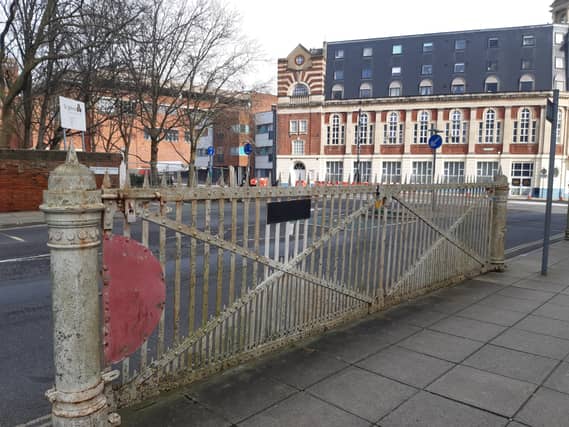

But it is its connection to the Royal Navy which has helped shape it over the centuries, with many of its historic gems having roots in the city’s strategic position in the Solent.
Portsmouth was founded in 1180 by Anglo-Norman merchant Jean de Gisors in the south-west area of Portsea Island, a location now known as Old Portsmouth was home to the first drydock ever built constructed by Henry VII in 1496.
King Henry VIII added important sites such as Southsea Castle, which is still standing today, and over the centuries other now historic and important buildings were added as our city’s rich history grew.
However much of our city was changed and history was sadly lost in the 1940s.
This is because during the Second World War, the city was bombed extensively by the Luftwaffe in 67 air raids between July 1940 and May 1944. This destroyed 6,625 houses and severely damaged 6,549, leading to a huge rebuild which - at first - took place off Portsea Island before the main island city itself was revamped.
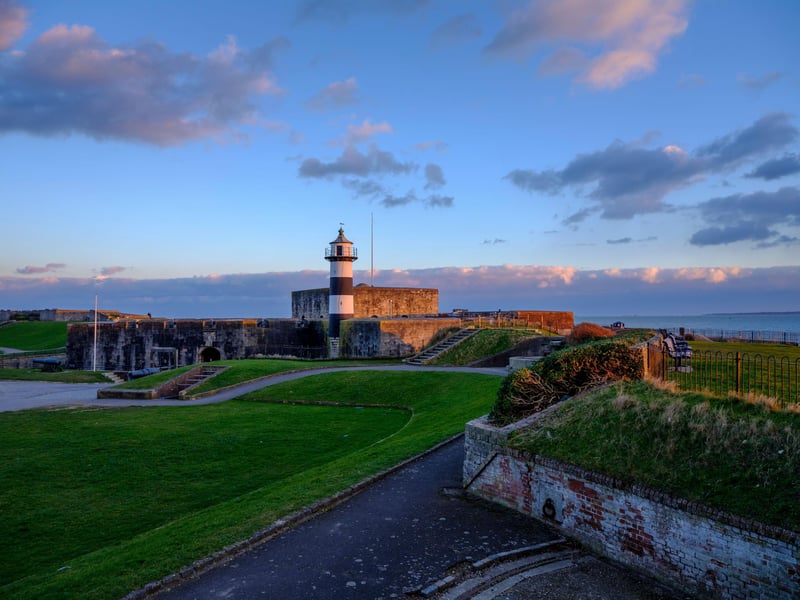
5. Southsea Castle
The castle was built in great haste in 1544, prompted by Henry VIII’s fears of a French attack on Portsmouth. It was said to have been designed by the King himself, incorporating the latest continental ideas on the layout of artillery forts. It was not long finished when, on 18 July 1545, a French invasion fleet did indeed approach Portsmouth after landing on the Isle of Wight. Henry VIII mobilised his fleet and was at Southsea Castle for the Battle of the Solent the next day. However, it was to be a dark day for the king; his much-loved flagship – The Mary Rose – sank during battle. The castle was to be an active military base for over 400 years, where life had its fair share of ups and downs. It is free to visit during the spring and summer. Photo: Julian Gazzard - stock.adobe.com
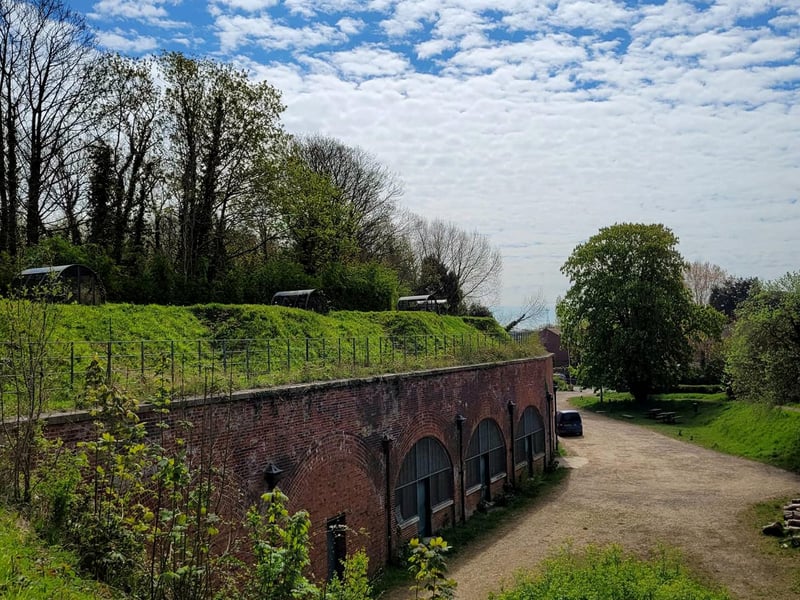
6. Hilsea Lines
The Hilsea Lines are a line of 18th- and 19th-century fortifications built at Hilsea to protect the northern approach to Portsea Island. The Earthwork defence dating from 1858-1869 features batteries, magazines and barracks. If you take a stroll through Foxes Forest you can see them - as well as arrange a visit to the WWI Remembrance Centre which is housed there. Photo: Louise Barnett
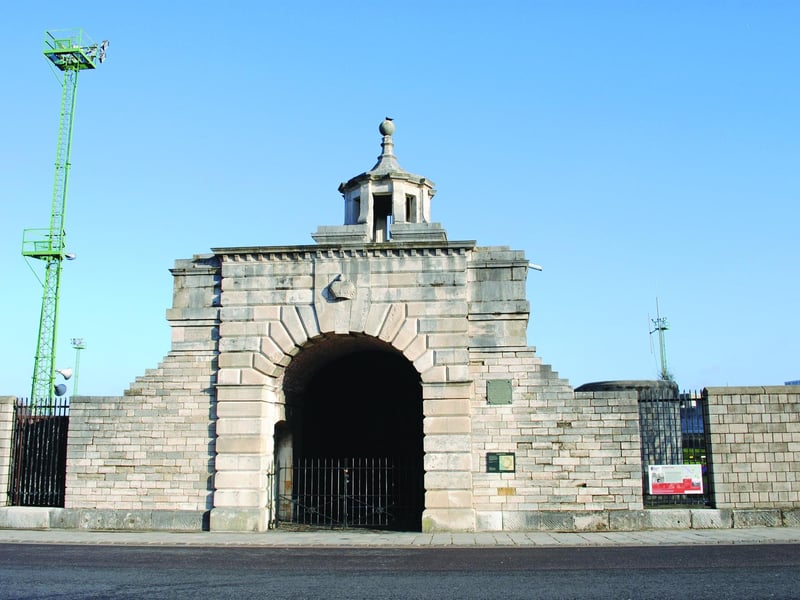
7. Landport Gate
Landport Gate was once part of Portsmouth's defences. Its sister King James's Gate has been moved to Burnaby Road, but Landport Gate, built in 1760, remains in its original position in St George's Road. It was once the main entrance to Portsmouth and was possibly based on a design by Nicholas Hawksmoor. Picture by Garth Groombridge Photo: -
8. Victoria Park
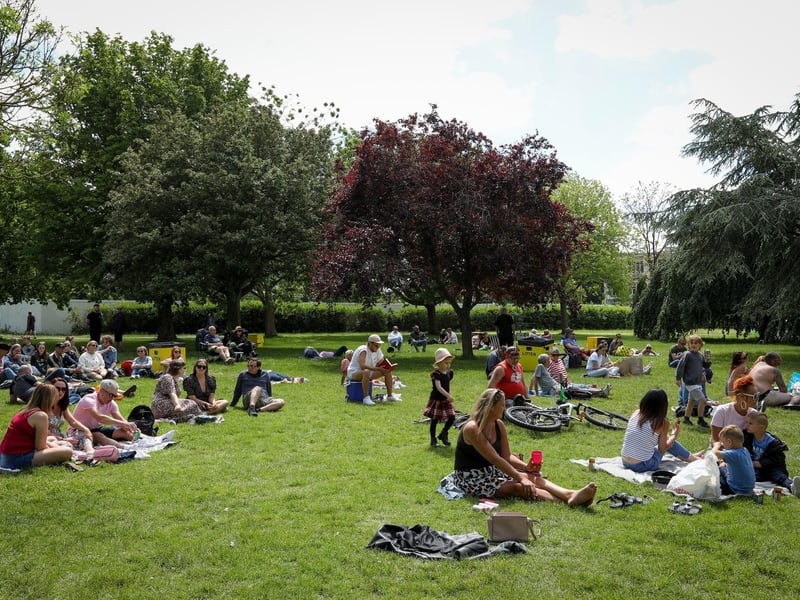
Victoria Park in the city centre was officially opened on May 25 1878 and was the first public park to be opened in Portsmouth. It was designed by Alexander McKenzie on land which had previously been the site of part of Portsmouth's defensive ramparts. It is home to a number of monuments as well as leisure facilities enjoyed to city residents and visitors to this day. Picture: Chris Moorhouse (010624-41) Photo: Chris Moorhouse