
Aberfan: The Village that Fought Back review: This shocking documentary shows how the powerful have always ignored and marginalised the powerless
Even for someone as ancient as mid-50s me, the appalling disaster in the Welsh mining village of Aberfan has already faded into memory by the time I was old enough to watch John Craven's Newsround. But as Aberfan: The Village that Fought Back (BBC2, Mon, 9pm) showed with devastating poignancy, the scars of the catastrophe inflicted on the village on October 21, 1966, are still fresh.
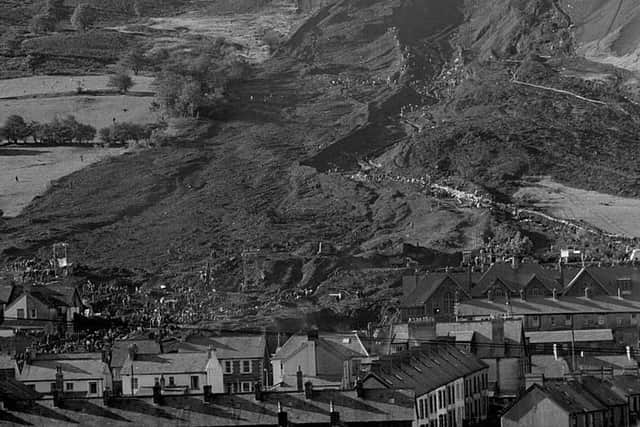
The disaster occurred when more than 100,000 tonnes of coal waste, loosened by water from a spring, slipped from the spoil heaps on the hill above the village and swept over a primary school and the surrounding houses.
The torrent claimed the lives of 28 adults and a staggering 116 children.
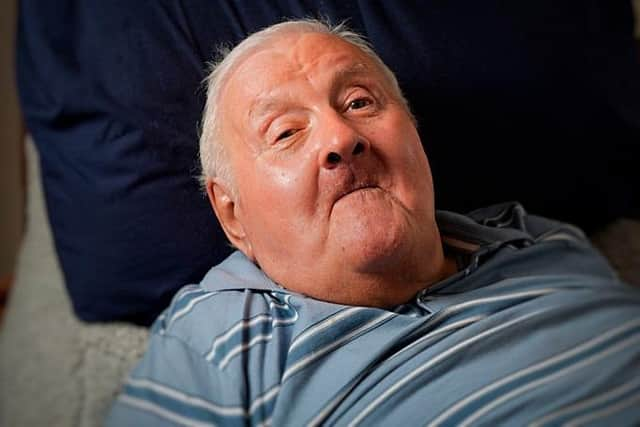
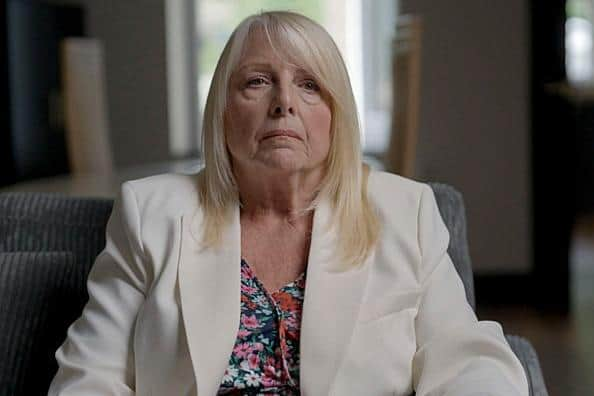
The basic numbers are shocking in themselves, but through first-hand accounts from the villagers who lived through the disaster, the documentary reveals how things were made so much worse by the subsequent actions of the powers-that-be.

The National Coal Board (NCB), led by former Labour MP Lord Alfred Robens, seemed not to care about the concerns of the villagers over the coal waste which remained on the hill following the disaster, while documents subsequently released revealed the shocking negligence of the board in allowing the heaps to pile up, despite its own internal report warning of the dangers.
Following the disaster, the villagers mounted a long-running campaign to get the heaps cleared, while the NCB mounted a similarly long-running campaign to disavow responsibility and shift the blame.
One villager, Dai Evans, recalls the NCB's response to the villagers' calls to clear the spoil tips: “We were genuinely concerned and the answer was always the same – stop the tipping and we close the colliery.”
Meanwhile, the Government is dragging its heels, failing to stand up to the bullish, arrogant Lord Robens and generally fobbing off the villagers for as long as they can.
Eventually, it takes a coal-spreading demonstration by villagers at the offices of the-then Welsh Secretary George Thomas – eventually rewarded for his service by being made Speaker of the House of Commons and then Lord Tonypandy – before the Government pulls its finger out and agrees to clear the spoil heaps.
Up to this point, your anger has built along with the villagers, and you shake your head ruefully at the intransigence, condescension and inaction in the corridors of power.
But the documentary-makers have a twist up their sleeves, a twist which properly makes the blood boil.
You see, the Government agrees that the NCB will clear those spoil heaps looming above Aberfan – a semi-permanent reminder of the disaster which literally engulfed the village, and a constant sign that it could happen again – on one condition.
The condition? Oh, no biggie, just hand over £250,000 from the charity fund set up following the disaster to help rebuild the village.
That's nearly £4m today, money which should go to the grieving families, to memorials, to making sure the village could live again.
A public outcry followed, and the Government 'kindly' reduced the fee to £150,000 but the fact remains the money still had to be handed over, and it took 30 years for a new administration to recognise the abhorrence of the request and return the money.
It's a shock, to me at least, but of course it shouldn't have been.
In the years since October 1966, there have been too many instances of the authorities covering up and covering their backs as disasters unfold – Hillsborough and Grenfell being just two of the most egregious examples.
All of which have been examples of “powerful people getting their way over powerless people”.
But what the documentary makes clear is that, if people stand together, if people stand up, if people fight back, they're can be justice, of sorts.
It may appear to be ancient history, but Aberfan: The Village that Fought Back carries that important lesson for today.