
University of Portsmouth NHS research into frailty rating could help "reduce pressure" and "lower costs" at hospitals including QA
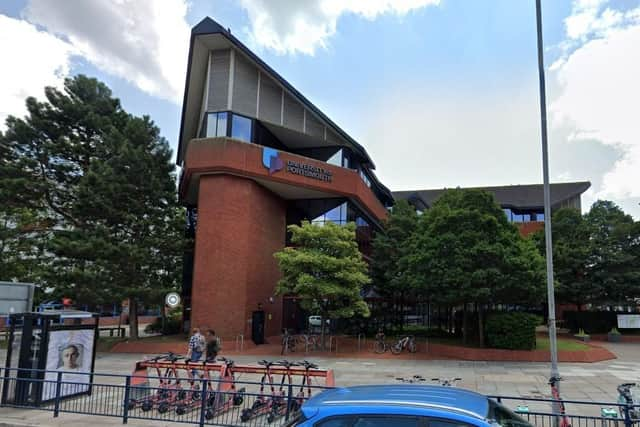
New research from the University of Portsmouth, in collaboration with a local NHS trust, has found that a simple frailty rating can help “reduce pressure” on hospital beds and “lower costs”.
Data scientists form the university analysed adult patient records from Portsmouth Hospitals University NHS Trusts’ Queen Alexandra Hospital in Cosham from 2010 to 2018 and found that Hospital Frailty Risk Score (HFRS) was a reliable in predicting longer hospital stays for patients.

While the rating helps identify older patients (75 and over) who are more frail and likely to experience poor outcomes during or after a hospital stay, it can be used effectively for patients of all ages. In fact, research found that the rating was more effective in predicting longer hospital stays than other common measures.
University of Portsmouth PhD student Huda Kutrani said: “Hospital stays can be stressful for patients and costly for healthcare providers. Knowing in advance which patients are at risk of staying longer than expected allows hospitals to allocate resources better.
“By incorporating the HFRS into routine hospital assessments, healthcare providers could improve patient outcomes, reduce pressure on hospital beds, and lower costs.”
Professor Jim Briggs, director of the University of Portsmouth’s Centre for Healthcare Modelling and Informatics (CHMI), added: “This is important work because it extends a useful and easily-adopted tool to all adult patients, not just the very elderly ones it was designed for. This helps ensure that healthcare is provided equitably and appropriately.
"This study also shows the importance of using big data analysis to develop new insights into patient care. We were particularly pleased when one of the original designers of HFRS complimented us on our work."
Claire Spice, from Portsmouth Hospitals University NHS Trust, said: “Identifying people in hospital who may have frailty is vital so that we can meet their clinical needs, improve health outcomes and enable appropriate service development.
“Clinical tools are useful but not always applied consistently - automated information-based measures have the potential to highlight groups of people at the most risk quickly and consistently. Most frailty identification tools have not been researched in younger people so this study really extends the potential utility of the HFRS in further research.”
Scientists in the university’s Centre for Healthcare Modelling and Informatics and the Artificial Intelligence and Data Science Centre conducted the research. The paper, published in PLOS One, concluded that HFRS could help hospitals identify high-risk patients of all ages earlier, ensuring they receive appropriate support and care.
The researches are hoping the frailty rating will be adopted more widely to enhance patient care and hospital efficiency.