
Rare white-tailed sea eagle dies from rat poison in worrying trend
A series of poisonings have raised concerns
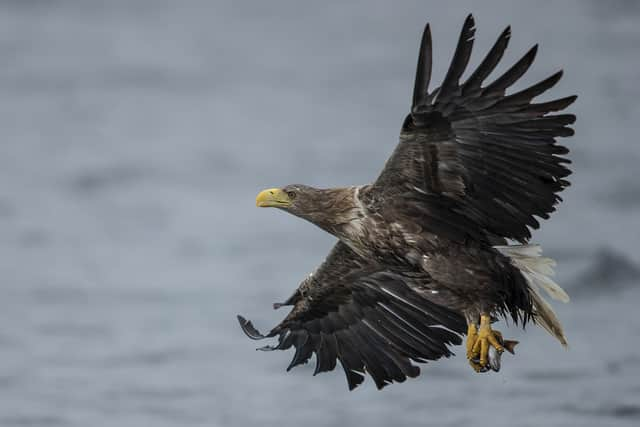
Another white-tailed sea eagle from the small population re-established in southern England has died after being poisoned by a highly toxic rat poison, according to wildlife group Wildlife Poisoning Research UK (WPRUK).
The bird, which was found dead in woodland in Hampshire in June, had been exposed to brodifacoum, a powerful anticoagulant rodenticide widely used to control rats on farms and shooting estates.

Although approved for use by the Health and Safety Executive (HSE), brodifacoum poses a significant risk to birds of prey and other wildlife. Predators can be exposed when they feed on poisoned rats, allowing the toxin to pass up the food chain, often with fatal consequences.
The latest death follows a series of white-tailed sea eagle poisonings in Dorset earlier this year, which prompted widespread public concern. All the birds involved had been exposed to brodifacoum, raising fresh questions about the continuing impact of the poison on wildlife.
WPRUK identified the latest case through its examination of publicly available Government records. The online summary of the incident states: "A white tailed eagle was found dead in a woodland. Analysis has confirmed brodifacoum in the liver which is likely to be the cause of death."
The organisation has now submitted a Freedom of Information Act request to the Government seeking further details about the circumstances surrounding the bird's death.
Dr Ed Blane, of WPRUK, said the continued poisoning of sea eagles and other wildlife demonstrated that existing Government measures to protect wildlife were failing.
"The ongoing killing of these eagles and other wildlife by this poison shows, once again, that the Government's efforts to safeguard wildlife simply aren't working," he said.
"They seem to have forgotten the damage done to wildlife by the disaster of DDT 50 years ago."
Dr Blane also criticised what he described as a contradiction in Government policy, with efforts to reintroduce white-tailed sea eagles taking place alongside the continued approval of pesticides that can kill them.
"We have the totally barking situation of one part of Government encouraging the re-introduction of sea eagles to the English countryside, while we have another Governmental body, the HSE, approving the use of poisons like brodifacoum which are then killing the birds once they are released."
The latest death raises concerns about the long-term prospects for white-tailed sea eagles in southern England. With Government-supported plans to release more of the iconic birds, WPRUK warns that continued contamination of the environment with brodifacoum could undermine reintroduction efforts and threaten the recovery of the species.